

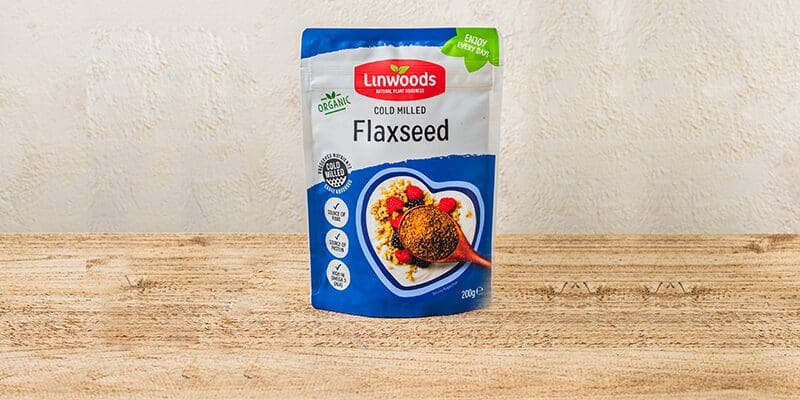
Plant points in Flaxseed is something more and more of us will begin to consider when we begin to track our weekly plant points. Below is a list of reasons you should add flaxseed to your diet and how it is an easy way to increase the amount of plant points in your week.
Easy guide to the plant points in flaxseed
Now that you are learning about the benefits of adding flaxseed to your daily diet, you are probably wondering how these affect your weekly plant point target. We understand the amount of information can be overwhelming so we’ve broken it down into an easy guide below.
What are plant points?
Plant points are a system of measuring the diversity in your diet, by setting the target of 30 plant points per week. Unlike other dietary guidelines like 5-a-day or RDI (recommended daily intakes) we see on packaging, plant points are focused on eating a greater range of food rather than volume-based targets.
The target of 30 plant points was developed as a result of an international study named the American Gut Project, which also took in volunteers from the UK and Australia. In short, the robust survey monitored eating habits and concluded those eating 30 types of ‘plant’ throughout the week had greater gut health. With over 10,000 participants, those involved were able to land on 30 plant points as the tipping point which showed the greatest uplift in gut health.
Plant points are broken down loosely into 6 groups, more can be learnt about each in our full Plant Point Guide
How flaxseed works in plant points
Classed as a ‘superfood’, flaxseed also counts towards your plant point intake. As mentioned above, the system is about maximising variety, meaning flaxseed servings count as one plant point. Given the wide range of benefits of flaxseed, we view it as a cornerstone for gut health that can be combined with other seeds or ingredients for a plant point boost.
What are the benefits of Flaxseed?
There is a reason Flaxseed is known as being a superfood. Here at Linwoods we also Cold Mill our flaxseed which helps both retain it’s natural nutrients as well as improving it’s absorption offering an easy way to add nutrition to your daily diet that is organic, gluten free & vegan.
Each 20g serving of Flaxseed delivers 4g of Omega 3 (ALA), which is an essential fatty acid that contributes to the maintenance of normal blood cholesterol levels. It contains 4.1g of fibre which can help support a healthy digestive system. Flaxseed is also an excellent source of protein for those following vegetarian and vegan diets by having 5g of plant protein per serving.
Additionally flaxseed provides magnesium which helps contribute to the maintenance of normal bones & teeth and helps support the reduction of tiredness and fatigue. Find out more about the benefits of this incredible seed below when we talk through the benefits of flaxseed for both men & women.
Related Articles

10 Benefits of Flaxseed for Women’s Health
Nutritionist Rachel Graham talks us through ways in which Milled Flaxseed & Co-enzyme Q10 can benefit women’s health as well as giving some tips on how to fit it into your daily diet.
Flaxseeds contain compounds that have been shown to positively impact women’s hormonal health from PMS to Menopause. These compounds are known as Lignans, and flaxseed is the most abundant source of these plant Lignans.

4 Great Flaxseed Benefits For Men’s Health
Flaxseed benefits for men is a hot topic of discussion at the moment. Here, Nutritionist Jane McClenaghan from Vital Health talks us through the potential flaxseed benefits for men, how it can affect health and why you should add it to your daily diet.
Flaxseed is packed with nutrients that could have widespread benefits for men’s health. Packed with fibre, plant-based omega-3 fats, vitamins, minerals and antioxidants, flaxseed has the potential to support prostate health, cardiovascular function, digestive health and may even help with weight loss.
How many plant points in flaxseed?
A typical serving of flaxseed, 20mg, is worth one plant point. The British Heart Foundation describes a serving as 30mg, however no additional points are gained as it’s the same plant.
Do Milled vs Whole Flaxseeds count differently for Plant Points?
Milled (or ground) flaxseeds offer more health benefits than whole flaxseeds, as the whole seed passes through our system and remains undigested. At Linwoods, we take additional steps to maximise the benefits from the flaxseed through cold milling.
Cold milling offers multiple benefits, ensuring you get the very most from your flaxseed intake. Our process lengthens the shelf life of key nutrient Omega-3, not heating it also prevents it becoming a saturated fat. Once cold milled below 56 degrees, our flaxseeds are sealed in airtight bags to ensure both freshness and maximum nutrient intake.
Related Articles
Milled vs Whole Flaxseed. Which is best for you?
Find out the BIG difference between eating milled flaxseed vs whole flaxseed and which one is the most beneficial to your daily diet.
The big difference between eating milled flaxseed vs whole flaxseed involves the digestion of the seeds. Flaxseed is a great source of fibre and whole flaxseeds pass right through your body without being digested, meaning your body will miss out on most of the great benefits that come from the seeds. When it comes to the digestion of milled flaxseed vs whole flaxseed, fibre plays a big role, and this is why milled flaxseeds are easier for your body to digest than whole flaxseeds.
Does flaxseed oil count as a plant point?
Oils can count towards your plant points, however due to small doses recommended, they may only be a quarter of a point. Flaxseed oil portions are therefore worth less than milled flaxseed, although they both contain Omega-3s, making the flaxseed oil a popular alternative to fish oils for vegan and vegetarian diets.
It is not recommended to use flaxseed as a substitute for heated oils, as the flavour becomes bitter and the nutritional benefits are lost in heating. Other disadvantages include a risk of laxative effects from too much oil consumption.
Recipes including Flaxseed to increase plant points
Flaxseed is a great way to increase your plant points in every meal thanks to it’s natural taste and texture. Easily add to your favourite porridge, oats, salads, smoothies & pasta dishes for added nutrition and extra plant points!
Check out our Recipe section for 100s of Delicious Recipes Using Flaxseed
Plant Points In Linwoods Flaxseed
Here at Linwoods we have a wide range of blends of Flaxseed, combining our award-winning flaxseed with other nutritious seeds, nuts & berries. This means each blend can have different plant points attributed to it. We’ve made this handy guide below as well as detailed the amount of plant points in each product on that specific blends product page.

Boost your plant points with flaxseed
To achieve your 30-points-per-week goal, we recommend using flaxseed as a plant points top up with your meals. Flaxseed can be used to enliven your morning oats, enliven a lunchtime soup or provide a health boost on any of your favourite meals.
For the more conservative in the kitchen, introduce yourself to the benefits of flaxseed with our existing combinations and hit your plant points targets with ease. Did you know for example our Flaxseed, Chia, Apple and Cinnamon contains 4 plant points, or that there is a plant point loaded version that includes Flaxseed, Sunflower, Chia, Pumpkin Seeds & Goji Berries.
Resources
Harvard – https://www.hsph.harvard.edu/nutritionsource/food-features/flaxseed/
British Heart Foundation: https://www.bhf.org.uk/informationsupport/heart-matters-magazine/nutrition/healthy-eating/flaxseed-benefits


 No products in the cart.