What is plant-based protein & how can i add it to my diet?
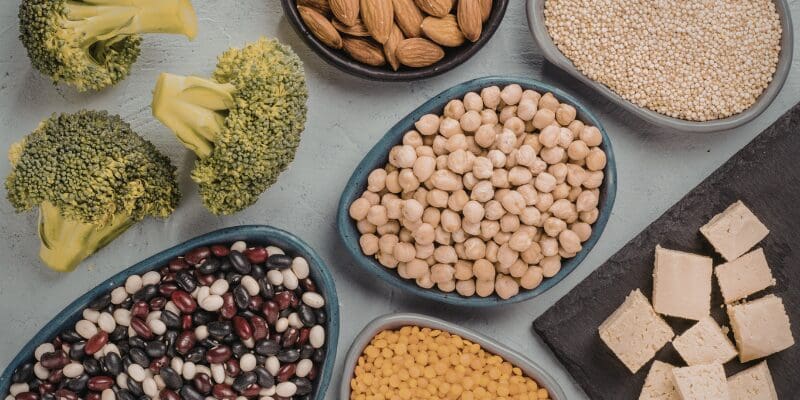
Plant-based protein is simply protein that comes from plants instead of animals. It provides the same essential building blocks your body needs for muscles, tissues, enzymes, and overall health, just sourced from foods like beans, grains, nuts, and seeds.
If you are considering a vegan diet focusing on plant-based protein, it is important to understand the importance of protein in your daily diet. We have the complete guide to protein which will allow you to to research the benefits of protein, it’s sources & benefits.

Sources of plant-based protein
You can get plant protein from foods such as:
- Lentils, chickpeas, and beans
- Tofu and tempeh (made from soybeans)
- Nuts and seeds (like almonds, chia seeds, pumpkin seeds)
- Whole grains (like quinoa, oats, brown rice)
Animal Protein Vs Plant Protein
Animal protein vs Plant protein can be a decision to make in your daily diet for a number of reasons. If you are following a vegan or vegetarian diet understanding the differences of both proteins
- Animal protein (meat, eggs, dairy) usually contains all essential amino acids in one food.
- Plant protein sometimes lacks one or more amino acids, but you can easily get all of them by eating a variety of plant foods (like rice + beans).
Why people choose plant-based sources for protein
This can often be a lifestyle choice as they follow a vegan diet or have further dietary requirements. Often people can use plant-based protein sources as they are lower in saturated fats.
- Often lower in saturated fat
- Contains fiber, vitamins, and antioxidants
- Associated with benefits for heart health and digestion
- Preferred in vegetarian or vegan diets
In short: plant-based protein is a healthy, natural way to meet your protein needs using foods that come from plants.
What should i consider when only eating plant-based protein?
- Complete vs. Incomplete: While most plant foods are incomplete proteins, consuming a variety of foods ensures all essential amino acids are met (e.g., rice and beans together make a complete protein).
- Complete Plant Proteins: Soy products (tofu, edamame), quinoa, and hemp seeds are complete proteins.
- Protein Powders: Vegan powders like soy, pea, and rice protein are effective for boosting intake, often offering better digestibility than dairy, with lower levels of lactose.
How to support muscle growth on a plant-based diet
To get the most from your workouts protein management is integral for both performance, development and recovery. It is specifically vital to muscle development, and unsurprisingly gym goers take protein targets very seriously. Typically, we hear about animal-based variations, but our focus: plant-based protein!
Firstly, building muscle on a plant‑based diet doesn’t have to be complicated. In fact, everyday foods can make it simple to meet your goals, especially when you combine them into meals you already enjoy.
What matters most are options that genuinely fit your lifestyle. For many gym‑goers, and those aspiring, the challenge isn’t protein intake, it’s time. They lack time to prep meals and time pressure is one of the most common reasons people give up on gyms. So, we’re focusing on easy ways to maximise plant-based protein, without wholesale changes.
Adding plant-based proteins to breakfast
Breakfast is one of the best moments to add plant protein, with minimal effort. We recommend overnight oats as our starter, of course we do, but here’s why:
Overnight oats are a no-nonsense healthy breakfast, that require zero morning effort. Our Protein Overnight Oats contain up to 12g of Protein (before milk), they are a source of fibre and omega-3. Combined, these nutrients help support muscle maintenance, digestive health and steady energy release, making them a balanced way to start the day feeling fueled and ready to go.
How this supports pre‑workout and muscle gain
As a pre‑workout option, Linwoods Overnight Oats provide a useful balance of carbohydrates, protein and fibre. The oats supply slow‑release carbohydrates to support energy during training, while protein contributes to muscle maintenance and repair.
For muscle gain, including protein early in the day helps spread intake more evenly across meals, supporting muscle maintenance alongside regular training. The combination of protein, carbohydrates and fibre also supports fuelling, helping avoid gaps that make it harder to train consistently and recover quickly. For more info on the dangers of under fuelling, visit our guide to Red-S.
Choosing a ‘complete’ plant-based protein for lunch
Plant-based lunches can be protein-rich without being heavy. Salads, wraps, grain bowls and soups all benefit from a spoon of seeds for texture and extra nourishment. An often-overlooked super ingredient is Shelled Hemp, make it your friend, here’s why:
Hemp is a complete protein
Hemp protein contains all nine essential amino acids that must be obtained from the diet, making it one of the few plant‑based protein sources with a complete amino acid profile
Hemp is a whole food
Hemp protein is typically made by simply milling pressed hemp seeds, meaning it requires minimal processing compared to many other protein isolates and powders.
Hemp is a source of omega‑3
Hemp seeds supply omega‑3 (ALA), an essential fatty acid which contribute to the maintenance of normal blood cholesterol levels.
Hemp is good for the gut
Scientific reviews show that hemp protein has good digestibility and functional properties, making it suitable for inclusion in everyday foods rather than just supplements or ultra-processed powders.
Hemp supports muscle maintenance
Hemp protein provides amino acids used by the body to help maintain muscle mass and support muscle repair, making it a practical option for active and training individuals following a plant‑based diet.
Plant‑powered Dinners That Support Recovery
Evening meals are a great chance to include a variety of plant proteins. Think bean chillis, tofu stir-fries, veggie curries, or hearty grain bowls with quinoa, lentils and vegetables. If you haven’t already added chia seeds or shelled hemp seeds throughout your day, now is your chance. Chia seeds provide 4g of protein per 20g serving and have a neutral taste profile, making it easy to add them into meals.
If you have already been to the gym before dinner, consider seeds for another important nutrient; magnesium. Magnesium is important for rest and recover and it contributes to normal muscle function, supports energy yielding metabolism and the reduction in fatigue. Recent studies have also studied the benefits of Magnesium, found in chia amongst other seeds, as beneficial for sleep. Optimized sleep is a huge part of living a healthy lifestyle and can help improve sports/gym performance.
Pre‑Workout Fuel: Energy from Food Vs Supplements
When it comes to pre-workout fuel, whole foods can provide a steady, natural source of energy. Plant-based options like oats, nut butters, lentils, pulses and smoothies offer nutrients such as carbohydrates and protein to support performance and endurance. While supplements may be convenient, choosing real, plant-based foods can promote better digestion and longer-lasting energy.
The transition from protein obsession has been overtaken by fibremaxxing in popularity, but the reality is a balanced diet will better support people while exercising.
Why Fuel Matters: Red‑S & Under‑Eating
Active people sometimes fall into a pattern of not eating enough to match their energy needs, especially when schedules are tight. This can contribute to Relative Energy Deficiency in Sport (Red‑S) – a state where the body isn’t receiving the fuel it needs to support training, recovery, immune function and everyday wellbeing.
While Red‑S is usually discussed in athletic settings, the underlying message applies to anyone who trains regularly: eating consistently and including enough protein, fibre and overall energy is vital. Whole foods like seeds, oats, beans, lentils, nuts and tofu make this easier, supplying a range of nutrients rather than isolating just one.
Eat within an hour of training. Your body needs nutrition to refuel and recover.
Jane McClenaghan
When you fuel properly, you train better, recover faster and reduce risk of injury – all crucial for building strength over time. For more info on the condition, read our Red-S Blog by Nutritionist Jane McClenaghan.
Small Daily Habits that Add Up
Supporting muscle gain with plant-based protein isn’t about perfection. It’s about repeatable habits that fit comfortably into your day:
- Add flaxseed, chia or shelled hemp seeds to breakfasts you already enjoy
- Prep overnight oats the night before training days
- Include a plant protein source at every meal
- Mix seeds into salads, bowls, soups or smoothies
- Keep your overall energy intake in mind, especially on busy days
- Build balanced meals with whole grains, legumes, seeds and vegetables
These small changes create a naturally protein-rich pattern that supports strength, energy and long-term wellbeing – without needing to overhaul your routine. For more healthy eating tips, read our blog or join our mailing list.
FAQs
What is plant-based protein?
Plant-based protein is protein that comes from plants instead of animals. It provides the essential building blocks your body needs for muscles, tissues, enzymes and overall health using foods such as beans, grains, nuts and seeds.
What foods contain plant-based protein?
Plant-based protein can be found in foods including lentils, chickpeas, beans, tofu, tempeh, nuts, seeds, quinoa, oats and brown rice. Soy products, quinoa and hemp seeds are also complete plant proteins.
How can I add more plant-based protein to my diet?
You can increase plant-based protein intake by adding foods such as overnight oats, beans, lentils, tofu, nuts and seeds to meals throughout the day. The article also recommends adding flaxseed, chia or shelled hemp seeds to breakfasts, salads, soups and smoothies.
What is the difference between plant protein and animal protein?
Animal protein, including meat, eggs and dairy, usually contains all essential amino acids in one food. Plant protein can sometimes lack one or more amino acids, but eating a variety of plant foods, such as rice and beans together, helps provide all essential amino acids.
Can you build muscle on a plant-based diet?
Yes. The article explains that plant-based protein can support muscle maintenance and repair when included as part of balanced meals containing protein, carbohydrates and fibre alongside regular training.
Are plant-based proteins complete proteins?
Some plant-based proteins are complete proteins. The article highlights soy products, quinoa and hemp seeds as complete proteins because they contain all nine essential amino acids.
Is hemp a complete plant-based protein?
Yes. Hemp protein contains all nine essential amino acids that must be obtained through the diet, making it one of the few plant-based protein sources with a complete amino acid profile.
What are the benefits of plant-based protein?
Plant-based protein sources are often lower in saturated fat and contain fibre, vitamins and antioxidants. They are also associated with benefits for heart health and digestion.
What should I eat before a workout on a plant-based diet?
The article recommends foods such as oats, nut butters, lentils, pulses and smoothies before workouts. Overnight oats are highlighted as a pre-workout option because they provide carbohydrates, protein and fibre to support energy and muscle maintenance.
How do plant-based proteins support muscle recovery?
Plant-based proteins such as oats, hemp seeds, chia seeds, beans, lentils and tofu provide nutrients that support muscle maintenance and repair. Chia seeds also contain magnesium, which contributes to normal muscle function and the reduction of fatigue.
References
- NHS – Protein in the diet
NHS. Protein.
https://www.nhs.uk/live-well/eat-well/food-types/protein/
Used for general protein function, muscle maintenance and balanced diet guidance. - NHS – The Vegan Diet
NHS. The Vegan Diet.
https://www.nhs.uk/live-well/eat-well/how-to-eat-a-balanced-diet/the-vegan-diet/
Used to support plant‑based protein variety and balanced eating patterns. - British Dietetic Association – Fuelling Fitness
BDA. Fuelling Fitness.
https://www.bda.uk.com/resource/fuelling-fitness.html
Used to support food‑first fuelling, energy balance and training nutrition. - Relative Energy Deficiency in Sport (RED‑S)
International Olympic Committee / BASES overview materials.
Used for general context around under‑fuelling and consistent energy intake (not clinical guidance). - Cleveland Clinic – Hemp Protein: What to Know
Cleveland Clinic Health Essentials.
https://health.clevelandclinic.org/hemp-protein-what-to-know
Used for information on hemp protein being minimally processed, containing essential amino acids, fibre and healthy fats. - WebMD – Hemp Protein Health Benefits
WebMD. Hemp Protein: Health Benefits, Nutrition, and Uses.
https://www.webmd.com/diet/hemp-protein-health-benefits
Used to support claims around plant‑based protein, muscle maintenance and nutrient profile. - Axentii et al., 2024 – Nutritional Potential of Hemp Protein
Plants (Basel), 2024.
https://pmc.ncbi.nlm.nih.gov/articles/PMC11085551/
Used for evidence on digestibility and functional properties of hemp protein in foods. - News‑Medical – Hemp Seeds and Plant‑Based Nutrition
News‑Medical.net, 2025.
https://www.news-medical.net/news/20250724/Hemp-seeds-The-surprisingly-complete-protein-hiding-in-plain-sight.aspx
Used to reference hemp’s role in sustainable food systems and plant‑based protein innovation.

 No products in the cart.