


Find out the BIG difference between eating milled flaxseed vs whole flaxseed and which one is the most beneficial to your daily diet.
What is the difference between milled flaxseed vs whole flaxseed?
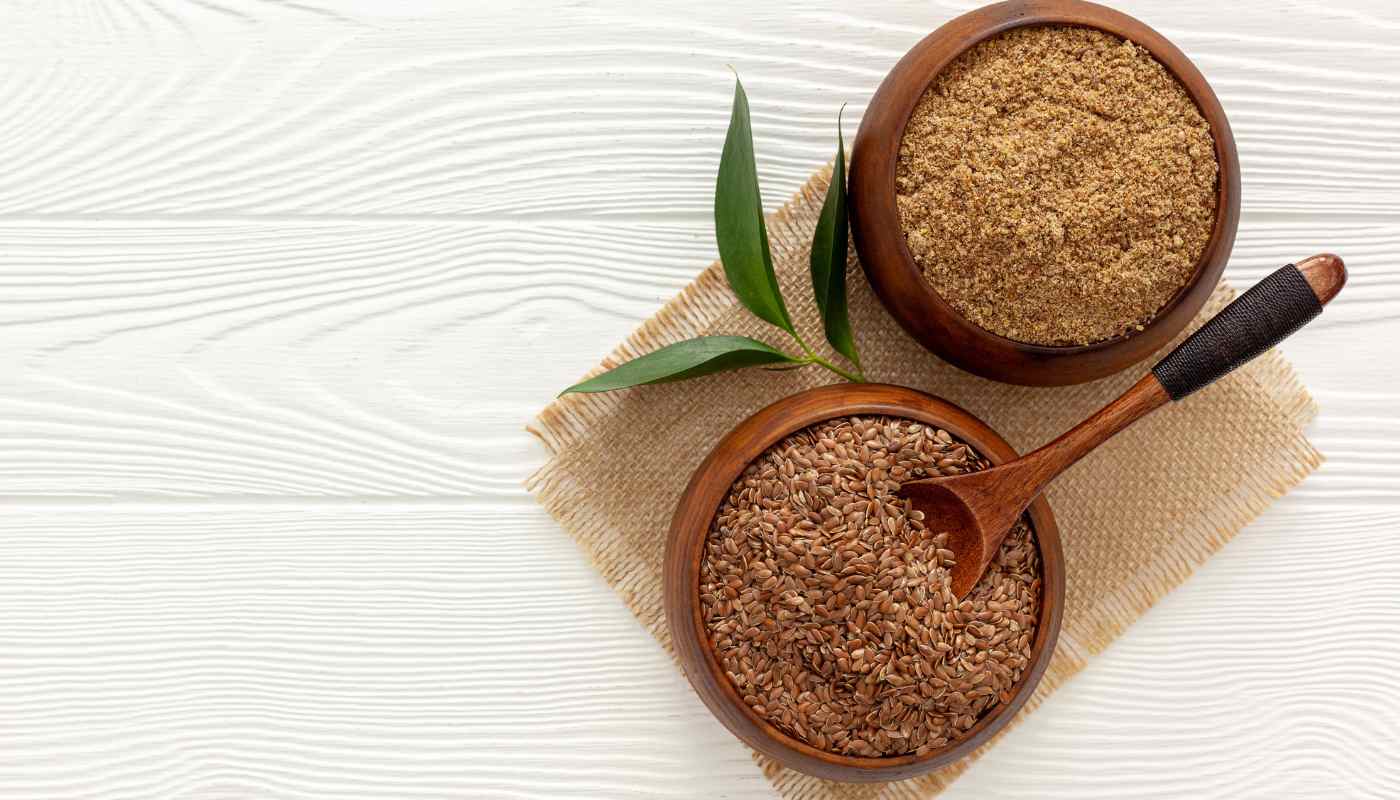
The big difference between eating milled flaxseed vs whole flaxseed involves the digestion of the seeds. Flaxseed is a great source of fibre and whole flaxseeds pass right through your body without being digested, meaning your body will miss out on most of the great benefits that come from the seeds. When it comes to the digestion of milled flaxseed vs whole flaxseed, fibre plays a big role, and this is why milled flaxseeds are easier for your body to digest than whole flaxseeds.
What is the role of fibre in Flaxseed?
There are two types of fibre – soluble and insoluble. Milled flaxseed provides your body with the benefits of both soluble and insoluble fibres and other micronutrients within the seed. Milled flaxseed can be more easily digested whereas the whole flaxseed can pass right through your body without being digested. When flaxseeds are cold milled, your body can look forward to enjoying the many benefits that are released thanks to the soluble fibre contained within the seed. These benefits include protein, omega 3 and magnesium.
How much fibre and omega-3 fatty acids are in ground flaxseed?
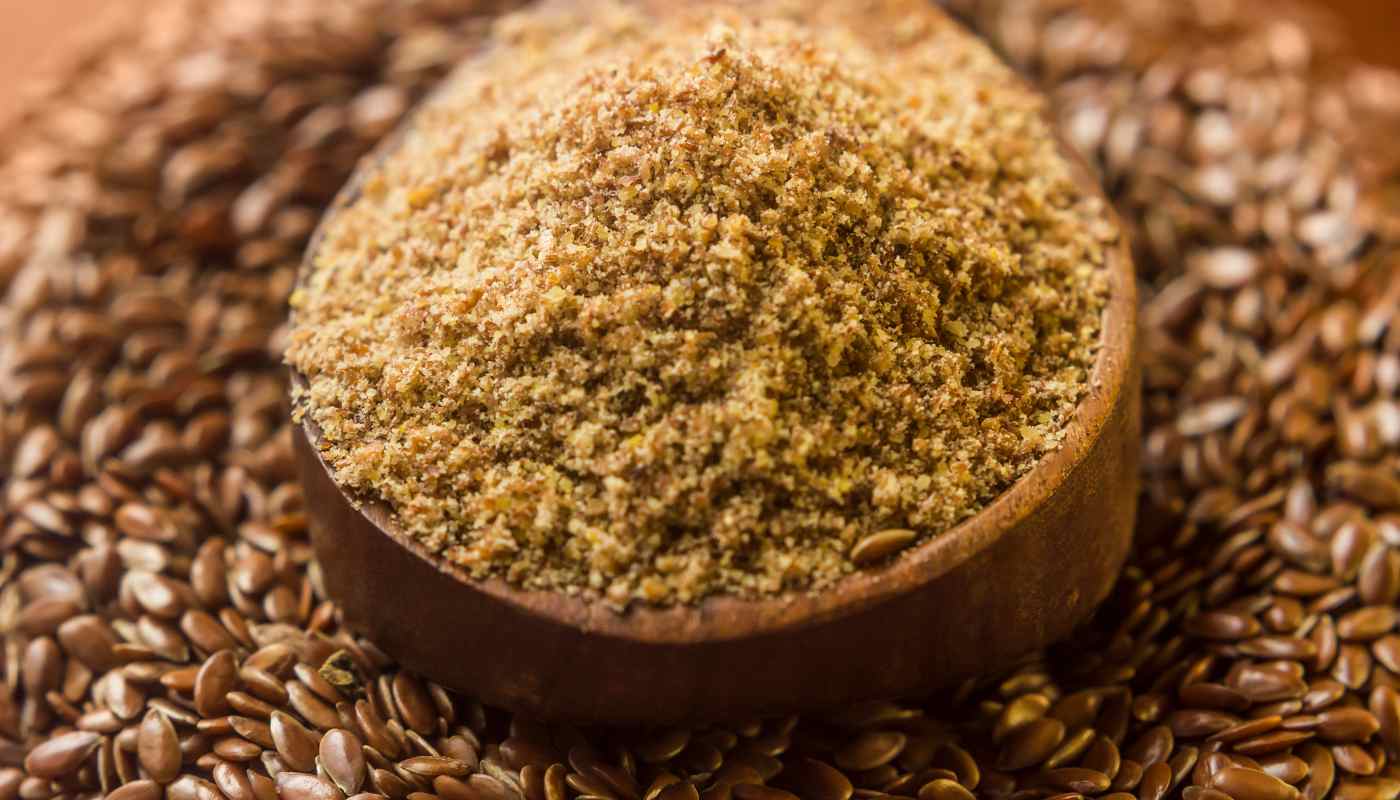
A single serving (20g) of milled/ground flaxseed typically contains 4.1g of fibre, alongside its rich omega-3 fatty acid content. Linwoods cold-milled flaxseed also contains just 105 kcal (calories) per serving, making it the ideal superfood for topping up porridge, smoothies or yoghurts.
Can flaxseed help improve digestive health or relieve constipation?
Yes, flaxseed as part of your daily routine helps keep you ‘regular’ thanks largely to its soluble and insoluble fibre content. Both fibre types help promote bowel movements, keeping your digestive system running smoothly.
Flaxseed has long been considered a natural solution to digestive discomfort, particularly when it’s integrated into your daily diet. Support your gut health with just a 20g serving once per day.
Can you grind flaxseed at home?
Yes, however at Linwoods we use a unique process called Cold Milled, always keeping the seed below 56 degrees (yes, we’re that specific). Cold milling positively affects how the nutrients from the seed are absorbed into our body, for maximum nutrient availability.
Cold Milling also maintains the seeds integrity, protecting omega3s, fibre content and magnesium to support bone health.
Should I take flaxseed with water?
While Linwoods flaxseed does not need to be soaked before being eaten or added to food, it is important to stay hydrated when increasing the fibre in your diet.
Flaxseed helps keep your digestive system moving and supports overall gut health, water helps by passing the fibre through the gut smoothly. Remember, flaxseed is also great with smoothies, so you can add it in to your rehydration routine safe in the knowledge you’re maximising the nutrients inside.
What is best to eat with, milled flaxseed vs whole flaxseed?
When it comes to adding flaxseed to your diet, the best way to do this is by eating milled flaxseed. This is where the seed has been blended to a powder like substance, which is easy to consume and digest, and your body absorbs more of the benefits from the milled flaxseed such as:
- Omega 3 Alpha-Linolenic Acid (ALA)
- Fibre
- Plant-based Protein
- Magnesium
- Phosphorus
Read more about the benefits here
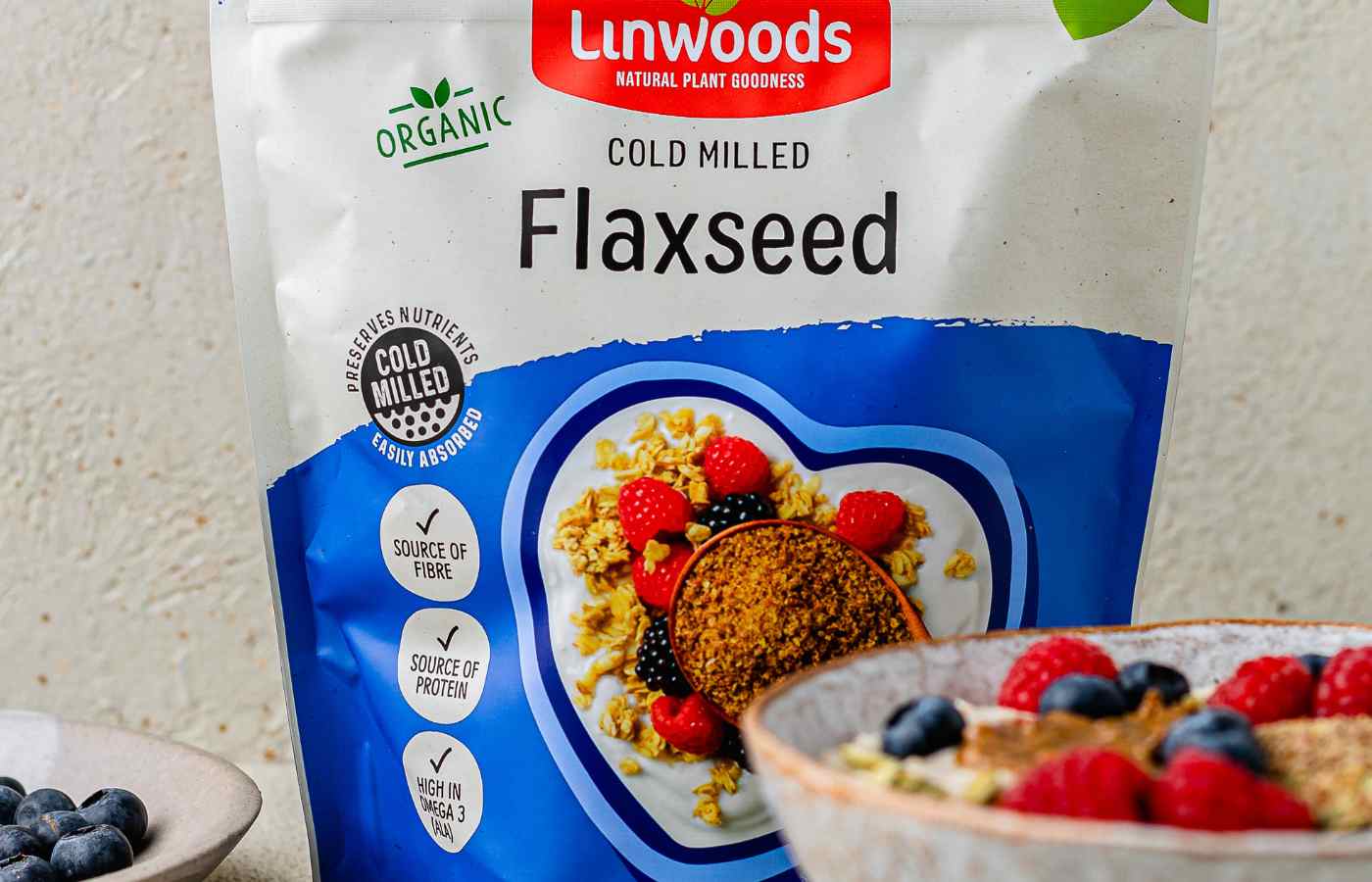
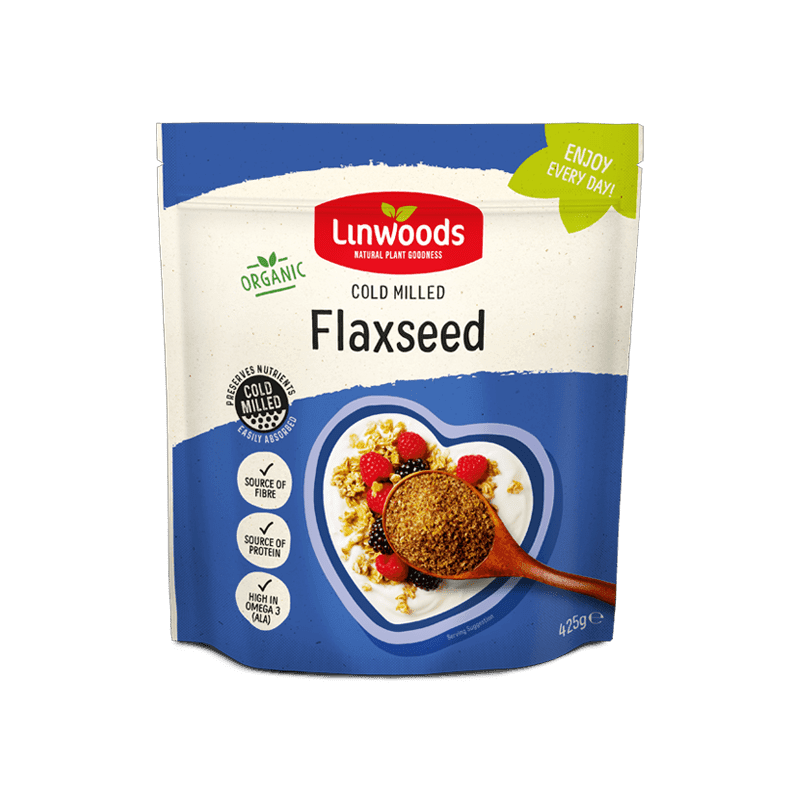
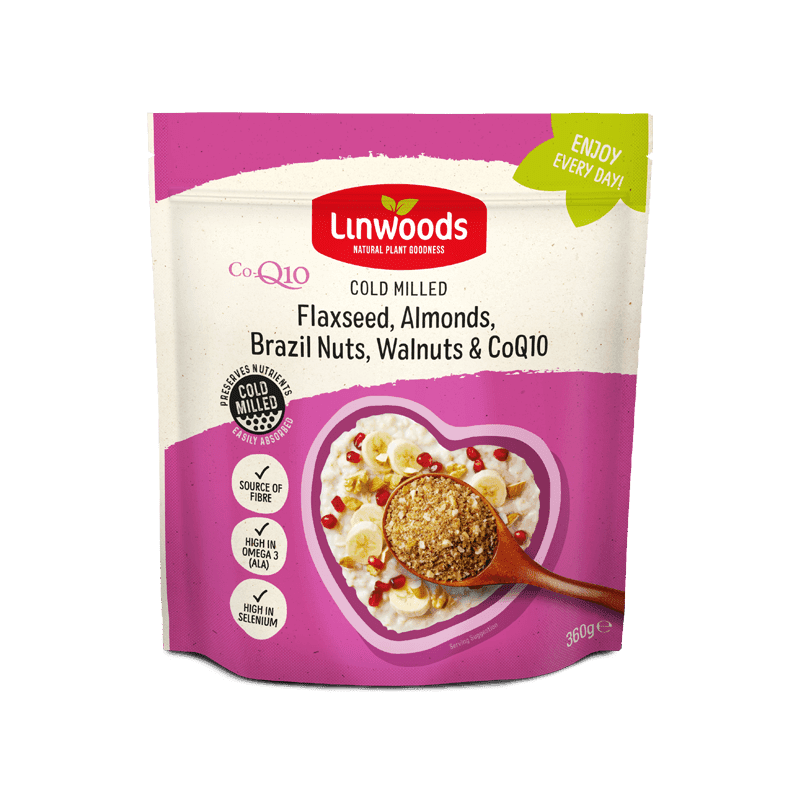
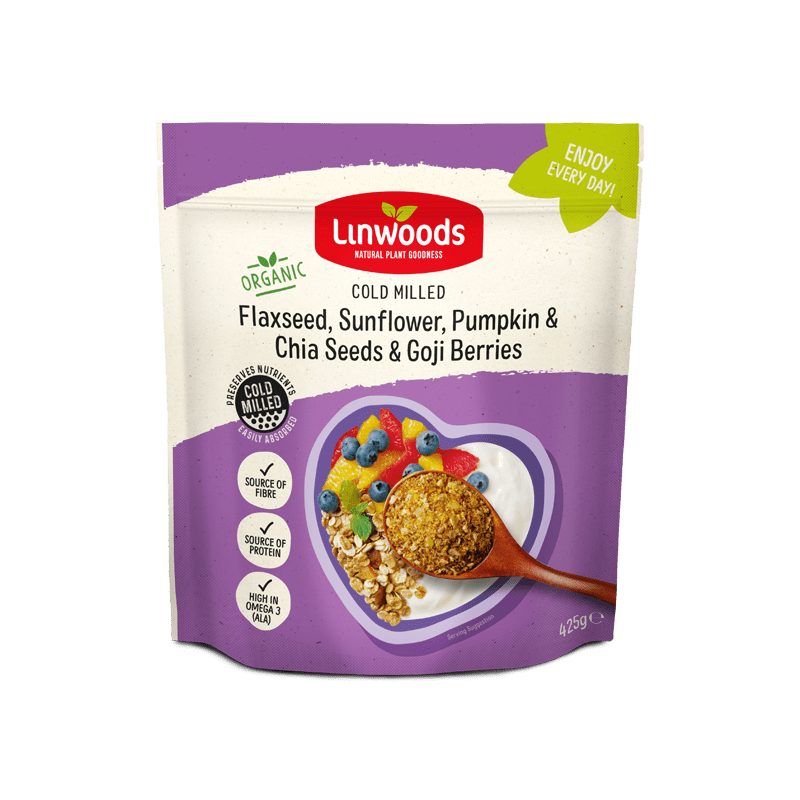
Linwoods Cold Milled Flaxseed is prepared with great care through our unique cold milling process to unlock the benefits of the seed for easy digestion and ensures the full nutrients remain intact.
Eating milled flaxseed:
While a lot of consumers will enjoy the crunch of whole flaxseeds, the versatility of milled flaxseed in food makes it a popular choice in many homes and is just another reason why it is the most popular way to enjoy the great benefits of flaxseed.
Milled flaxseed can be easily incorporated into your daily diet by simply adding 2 dessert spoonfuls (20g) to your favourite breakfast such as porridge, yoghurt or smoothies every day to contribute to the maintenance of normal blood cholesterol levels and to add a high source of fibre and plant based protein to your daily diet. Milled flaxseed can also be a great alternative to eggs for vegan recipes.
Summary
The distinction between Milled Flaxseed vs Whole Flaxseed lies in their digestion process. Whole flaxseeds pass through the body without being digested, depriving it of most benefits. Milled flaxseed, on the other hand, provides both soluble and insoluble fibres, along with other nutrients, making it easier for the body to absorb. This cold-milled form unlocks various benefits such as omega-3, protein, and magnesium. Opting for Milled Flaxseed is advisable for reaping its advantages. Linwoods Cold Milled Flaxseed ensures nutrient integrity through its unique milling process.
While some enjoy the crunch of whole flaxseeds, Milled Flaxseed’s versatility in culinary applications makes it popular. Adding 20g daily to breakfast or other meals helps maintain normal cholesterol levels and boosts fibre and protein intake. Additionally, Milled Flaxseed serves as a vegan-friendly alternative in recipes. Ultimately, incorporating Milled Flaxseed into one’s diet maximises its health benefits.
Try Breakfast Apple and Oat Muffins

Try Gut Friendly Overnight Oats




 No products in the cart.