


When Google was first made available to the public, one of the first nutrients to trend on the search engine was Omega-3, now 20 years later, it’s trending again.
In the period since it first trended, it has become of one the most researched nutrients, mentioned in 27,000 PubMed articles alone since 2010.
The return of Omega-3 to our consciousness, and diets, is a great chance to explore the benefits, risks and some how-to source info. This guide brings together various bits of advice and simplifies them in one place. Here, we explain what omega‑3s are, how they work in the body, the recommended daily amounts, and the best foods to include in a balanced diet. It also answers common questions, from whether plant sources stack up against fish, to how omega‑3 and other nutrients work together, and whether certain cooking methods reduce nutrient availability.

Contents
- What is Omega‑3?
- Benefits Of Omega-3
- What types of Omega‑3 are there?
- What is EPA (Eicosapentaenoic Acid) Omega‑3?
- What is DHA (Docosahexaenoic Acid) Omega‑3?
- How EPA and DHA work together
- What is Omega‑3 ALA (Alpha‑linolenic Acid)?
- What ALA does in the body
- Why ALA matters
- How the body uses ALA
- What does Omega‑3 do in the body?
- How much Omega‑3 do you need per day?
- Best food sources of Omega‑3
- Omega‑3 in fish & other marine sources
- Plant‑based & vegan omega‑3 sources
- Omega‑3 serving comparison table
- Does cooking destroy omega‑3?
- Omega‑3 as part of a balanced healthy diet
What is Omega-3?
Omega-3 fatty acids are a group of polyunsaturated fats that play critical roles in many biological processes. Some omega-3s are ‘essential fats’ such as ALA, meaning the human body cannot produce them on its own and therefore must be obtained through diet.
What are the benefits of Omega-3?
Omega-3 fats have a wide range of researched benefits and play a role in supporting different areas of health. Nutritionist Jane McClenaghan breaks down the benefits of Omega-3 and Why You Need Omega 3 in your diet in her article. Here are her key takeaways and potential benefits of Omega-3.
Cardiovascular health
Helps support a healthy cardiovascular system and may reduce the risk of heart attack and stroke. They have been shown to help manage risk factors including cholesterol, triglyceride levels, blood pressure and heart rate.
PMS and period support
Important for hormone balance and may help reduce symptoms of PMS such as low mood, anxiety and poor concentration. Often recommended to support menstrual cramps and period pain.
Skin, hair and nails
Helps hydrate and moisturise the skin, balance sebum production, and support irritated or sensitive skin. May also support strong nails, healthy hair growth and reduce scalp irritation.
Anti-inflammatory properties
Plays a role in managing inflammatory conditions such as arthritis and eczema.
Mind and mood
Brain and cognitive function
Omega-3 is needed for normal brain function, and low levels may be linked to anxiety and depression, although the exact relationship is not fully understood.
Associated with learning, memory and cognitive function, and may help support blood flow to the brain.
Vision and eye health
Helps support those with dry eye syndrome and may be linked to a reduced risk of glaucoma and age-related vision impairment.
What types of Omega-3 are there?
Several different types of omega-3s exist, however there are three types that are considered the most important in human nutrition:
EPA (Eicosapentaenoic acid):
Primarily found in oily fish (salmon, mackerel, sardines) and algae. It is known for helping reduce inflammation and supporting heart health.
DHA (Docosahexaenoic acid):
Also found in oily fish and algae, DHA contributes to the maintenance of normal brain function, eye health, and central nervous system development.
ALA (Alpha-linolenic acid):
Found in plant-based foods such as flaxseed, chia seeds, walnuts, and canola oil.
ALA is an essential fatty acid. When consumed the body can convert ALA into EPA and DHA, only in small amounts. Although EHA and DHA are not essential fatty acids, it is beneficial to obtain them through dietary sources as the conversion rate from ALA is relatively low. This is why nutrition experts often recommend consuming a variety of omega‑3 sources.
What do Omega-3 fatty acids contribute to?
Omega‑3 fatty acids contribute to multiple areas of other functional health, such as:
- Building healthy cell membranes
- Can help support cardiovascular health
- Contributing to normal brain function
- Helping to regulate inflammation
- Supporting eye health
Because omega‑3s are involved in so many systems within the body, they are widely recognised as one of the most important nutrients for long‑term health. Let’s look at how omega-3 acts in our body ad what then outcomes are.
EPA (Eicosapentaenoic Acid) is an omega‑3 fatty acid closely linked with cardiovascular support and inflammatory balance. EPA helps support the following processes & systems in our body
- Supports a balanced inflammatory response by helping the body produce molecules called resolvins that help regulate inflammation. This is why EPA is often associated with joint comfort and circulatory health.
- Contributes to normal heart function through the maintenance of triglyceride levels when consumed as part of a healthy, balanced diet.
- Can help resolve inflammatory responses which contributes to a healthy blood flow, triglyceride regulation, and helping to maintain a healthy heart rhythm.
EPA plays a role in regulating inflammation responses, helping the body stay in balance during day‑to‑day physical stress or inflammation. It is often highlighted in research relating to heart health and circulatory wellbeing.
What is DHA (Docosahexaenoic Acid) Omega-3?
DHA is the omega‑3 with the strongest connection to the brain, eyes and nervous system. Often described as a ‘structural nutrient’, DHA is a component of cellular membranes which helps form the physical architecture of the brain and retina. DHA helps support other roles:
- Contributes to the structure of cerebral membranes that help support normal brain function, memory and cognitive processes across the lifespan.
- Plays a key role in the structure of the eye and retinal health, helping maintain normal vision.
- During pregnancy and breastfeeding, DHA contributes to the normal development of the baby’s brain and nervous‑system development including the retina.
How EPA and DHA work together.
EPA and DHA may have distinct roles, but they work best together. Combined they can help support heart, cognitive and visual health.
Both EPA and DHA are long‑chain omega‑3 fatty acids, which means the body can use them directly without needing conversion.
What is Omega-3 ALA (Alpha‑linolenic Acid)?
ALA is the primary plant‑based form of omega‑3 and plays a supportive role in day‑to‑day cell function and overall metabolic balance.
While ALA doesn’t act in the body in the same way as EPA or DHA, it is still an essential fat — meaning it can’t be produced by the body and must be obtained through the diet — and it contributes to the wider omega‑3 picture.
What ALA does in the body
Supports normal cell structure
ALA helps maintain the flexibility and function of cell membranes across the body.
Plays a general metabolic role
This contributes to normal fat metabolism and energy‑related processes.
Acts as the starting point for EPA and DHA production
Although the body can convert only small amounts of ALA to long chain forms. This makes ALA important for individuals who eat mostly plant‑based diets, where ALA may be their only omega 3 source.

Why ALA matters
ALA doesn’t have the same direct effects on heart, brain or eye health that EPA and DHA deliver, but it provides a baseline supply of omega‑3. It supports foundational processes, contributes to the body’s natural fatty‑acid balance, and forms part of the wider set of nutrients involved in long‑term wellbeing.
How the body uses ALA
Much of the ALA we consume is used for energy or basic cell function. Only a small proportion is converted into EPA and DHA as the conversion rate is low, which is why nutrition guidance often encourages a variety of omega‑3 sources in the diet. ALA is therefore seen as a supportive, everyday nutrient that helps underpin normal physiological function.
What does Omega-3 do in the body?
Omega‑3s play a supportive role across many areas of everyday health. One of their most recognised functions is helping to maintain a balanced inflammatory response.
While inflammation is part of the body’s natural defence system, long‑term low‑grade inflammation is associated with a range of health issues. Omega‑3 fats help the body produce compounds that support this regulatory process, making them helpful for maintaining joint comfort and overall immune balance.
DHA also plays a key role in the structure of the brain. It forms part of the membranes that surround brain cells and supports normal cognitive function, memory and general mental clarity. Because of this, DHA is often highlighted to help support everyday brain health.
Omega‑3 intake is also linked with heart health. When included as part of a balanced diet, Omega‑3 fats can help maintain normal blood pressure, support healthy triglyceride levels, and contribute to overall cardiovascular wellbeing.
Other areas supported by Omega‑3 include:
- DHA levels are high in the retina which can help support normal eye function.
- Omega 3’s integrate into cell membranes, improving fluidity and helping support healthy skin structure.
- Incorporation into cell membranes can help influence hormone and cell‑signalling pathways.
- Participate in everyday metabolic processes.
Because Omega‑3s are involved in so many different systems, they are often viewed as a foundational nutrient — something that supports various aspects of wellbeing in the background of daily life.
How Much Omega-3 Do You Need Per Day?
One of the most common questions people ask is how much omega-3 they should consume daily. There is currently no standardised government recommendation in the UK of how much omega-3 we need; therefore recommendations vary depending on the organisation. The NHS recommends eating two portions of fish per week, one of which should be oily fish, which provides a source of long-chain omega-3 fatty acids. EFSA suggest that adults consume around 250 mg of combined EPA and DHA daily.
For individuals relying on plant sources, experts often recommend consuming around 1.1–1.6 grams of ALA per day.
General guidelines include:
Women: around 1.1 g ALA per day
Men: around 1.6 g ALA per day
Intake is especially important for pregnant and breastfeeding women as DHA plays a key role in foetal brain and retina development.
It is also important to consider the balance between omega‑3 and omega‑6 fatty acids. Modern diets often contain excessive omega-6 oils, which may disrupt the natural balance between these fatty acids.

Best Food Sources of Omega‑3
Omega‑3 fatty acids can be obtained from a wide range of foods. These foods generally fall into two categories: marine sources and plant sources.
Omega-3 in Fish & Other Marine Sources
Marine foods are the richest natural sources of the long‑chain omega‑3 fats EPA and DHA — the forms the body can use directly. These types of omega‑3 can help support heart, brain and visual health as part of a balanced diet, and are present in meaningful amounts in a range of oily fish.
Common marine sources of EPA & DHA include:
Here is a list of marine sources of EPA & DHA
Salmon
Provides naturally occurring EPA and DHA, which contribute to normal heart function when eaten as part of a varied diet.
Mackerel
A naturally oily fish containing long‑chain omega‑3s that support circulatory health and the body’s inflammatory balance.
Sardines
Packed with EPA and DHA and often noted for their contribution to heart and brain health. Some varieties also contain small edible bones that supply additional minerals.
Herring (including kippers)
A traditional oily fish providing both EPA and DHA, recognised for supporting normal cardiovascular function.
Anchovies
Small but naturally rich in marine omega‑3s and often used in dishes that allow easy, everyday inclusion of EPA and DHA.
What these foods all have in common is that they supply EPA (eicosapentaenoic acid) and DHA (docosahexaenoic acid) in the forms the body can use straight away. These long‑chain omega‑3s can help maintain normal heart function, support healthy brain and eye development, and contribute to overall wellbeing when included regularly as part of a balanced diet.

Plant‑Based and Vegan Omega‑3 Sources
Interest in plant‑based nutrition has increased dramatically, and many people now search for vegan or vegetarian sources of omega‑3. Fortunately, several plant foods contain significant amounts of ALA.
Flaxseed is one of the richest plant sources of omega‑3. Ground flaxseed can easily be added to smoothies, oatmeal, or baked goods.
Chia seeds are another excellent option. They contain fibre, protein, and omega‑3 fats, making them a popular ingredient in healthy recipes.
Walnuts also contain meaningful levels of omega‑3 and can be eaten as snacks or added to salads and cereals.
Hemp seeds provide a balanced combination of omega‑3 and omega‑6 fatty acids along with high‑quality plant protein.
For individuals following a vegan diet, algae‑based supplements provide a direct source of DHA and EPA similar to fish oil. We have a great list of vegan sources of Omega-3 for those adhering to vegan and vegatarian diets.
Omega-3 Serving Comparison Table
| Food | EPA + DHA (per 100 g) | ALA (per 100 g) |
| Salmon (farmed or wild) | 1.5–2.5 g | 0 g |
| Mackerel | 2–3 g | 0 g |
| Sardines | 1.5–2 g | 0 g |
| Herring | 1.5–2 g | 0 g |
| Flaxseed | 0 g | 20 g |
| Chia seeds | 0 g | 40 g |
Does cooking destroy omega‑3?
Cooking does not destroy Omega‑3 fats, but can degrade at very high temperatures, particularly during deep frying. Gentle cooking methods such as steaming or baking help preserve more of the fatty acids.
Cold-milled or ground flaxseed is recommended, as the nutrients aren’t lost to overheating in the milling process.
Omega-3 as part of a balanced healthy diet
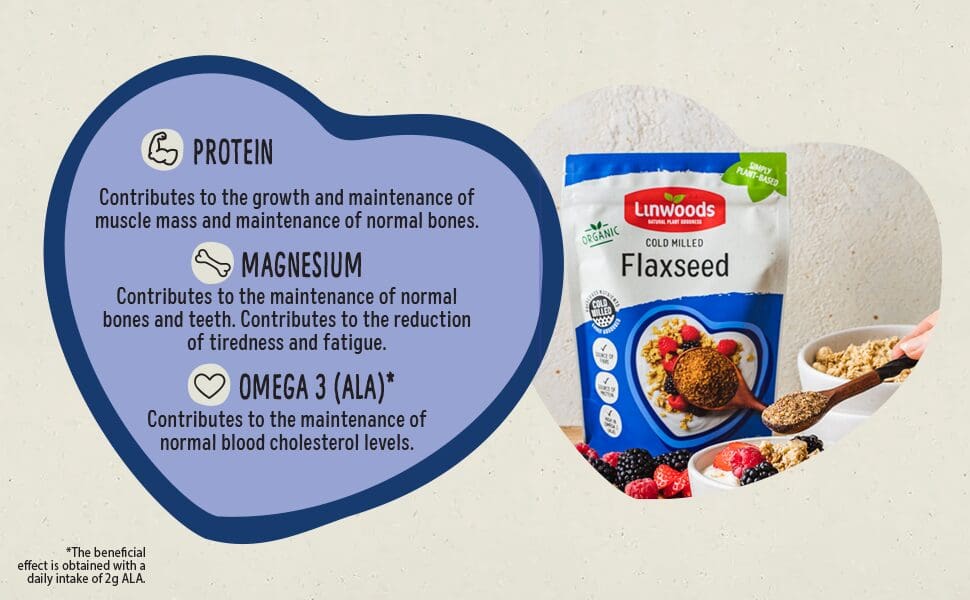
Omega‑3 fatty acids have been in the spotlight for decades, and their return to public interest reflects just how central they are to long‑term wellbeing. As the research continues to grow, one thing remains clear: omega‑3s play a supportive role across many everyday processes, from heart and brain function to inflammatory balance and cell health.
The good news is that meeting your omega‑3 needs doesn’t have to be complicated, plus vegan choice in the area is expanding. Whether you include flaxseed and chia, or use a mixture of both, small and consistent food choices can make a meaningful difference. These whole‑food sources fit easily into balanced meals and help you naturally maintain a healthy intake without relying on complex routines.
As with all nutrients, omega‑3 works best as part of a varied diet built around minimally processed foods. Prioritising simple ingredients, adding more plants, and keeping your meals diverse creates a strong foundation for overall wellbeing.
If you’d like inspiration on how to include omega‑3‑rich foods in your daily routine, explore the recipes and articles across our blog — small changes everyday can support your health in a sustainable, enjoyable way.
FAQs
What is omega-3?
Omega-3 fatty acids are a group of polyunsaturated fats that play important roles in many biological processes. Some, such as ALA, are essential and must be obtained through the diet.
Why is omega-3 widely talked about?
Omega-3 has been one of the most researched nutrients, with over 27,000 PubMed articles since 2010, and continues to trend due to its role in health and diet.
What are the main types of omega-3?
The three main types are EPA, DHA and ALA, which are considered the most important forms in human nutrition.
What is the difference between EPA, DHA and ALA?
EPA and DHA are mainly found in fish and algae and can be used directly by the body, while ALA is found in plant foods and can only be converted into EPA and DHA in small amounts.
What does omega-3 do in the body?
Omega-3 supports multiple functions including building cell membranes, helping regulate inflammation, supporting brain function, cardiovascular health and eye health.
What are the benefits of omega-3?
Omega-3 may help support cardiovascular health, hormone balance, skin health, inflammatory conditions, brain function, mood, and vision.
How much omega-3 do you need per day?
There is no standard UK recommendation. The NHS advises eating two portions of fish per week, including one oily fish, while EFSA suggests around 250 mg of EPA and DHA daily. ALA intake is typically around 1.1–1.6 g per day.
What are the best food sources of omega-3?
Omega-3 can be found in marine sources such as salmon, mackerel, sardines, herring and anchovies, and plant sources including flaxseed, chia seeds, walnuts and hemp seeds.
Are plant-based omega-3 sources effective?
Plant sources provide ALA, which contributes to overall omega-3 intake, but only small amounts are converted into EPA and DHA, so a variety of sources is often recommended.
Does cooking affect omega-3?
Cooking does not destroy omega-3, but very high temperatures, such as deep frying, can degrade it. Gentle cooking methods like steaming or baking help preserve it.



 No products in the cart.