

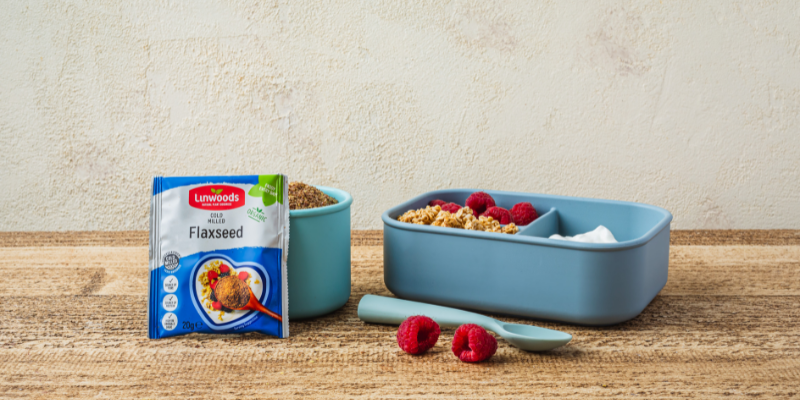
Vegan Sources Of Omega-3 to achieve nutritional targets on a plant-based diet
Omega-3 fats are often associated with oily fish and fish oil supplements, but plant-based or vegan sources of omega-3 are often overlooked despite their benefits.
What does Omega-3 do?
Omega‑3 plays a supporting role in many everyday processes, helping the body function smoothly from cells to the brain. As such an important nutrient, Omega-3s have appeared in thousands of studies globally, testing various claims and benefits of these fatty acids.
See our complete guide to Omega-3 for more information on its benefits, which foods to include in your diet & compare different vegan sources of omega-3
Established benefits of Omega-3s include:
• Helps maintain normal blood fat levels, including triglycerides, as part of a balanced diet
• Supports healthy blood flow throughout the body
• Contributes to the normal functioning of processes involved in clot formation
• Helps maintain normal blood pressure when included as part of an overall healthy eating pattern
• Supports the maintenance of a steady, healthy heart rhythm
The above claims are sourced from the British Heart Foundation.
What Are the Different Types of Omega-3?
There are three main types of omega‑3: ALA, EPA and DHA. EPA and DHA are concentrated in seafoods, while ALA is naturally present in plant foods.
How Do ALA and DHA Differ?
ALA (alpha-linolenic acid) is the plant-based form of omega-3. The body can convert small amounts of ALA into EPA and DHA, however the amount produced is limited. DHA is a structural omega-3 that supports the brain, eyes and nervous system, and is generally obtained through marine sources or algae-based products. Vegans therefore rely on ALA from plants, which plays a foundational role in omega-3 intake.
Which vegan foods contain omega-3 (ALA)?
Below is a list of sources of Omega 3 for vegans & vegetarians. Their Omega-3 (ALA) contents are based on typical servings.
| Vegan Sources Of Omega-3 | ALA per Serving |
| Flaxseed (2 dsp) | 4g |
| Chia seeds (2 dsp) | 2.8g |
| Walnuts (35 g) | 2g |
| Hemp seeds (3 tbsp) | ~2.5 g |
| Rapeseed oil (1 tbsp) | ~1.3 g |
| Soy foods / edamame (1 cup) | ~0.6 g |
| Other contributors | Leafy greens, beans, Brussels sprouts |
Whole foods such as flaxseed, chia seeds, walnuts and rapeseed oil not only supply ALA, but also provide fibre, plant protein and a range of micronutrients that supplements do not offer. This food based approach supports a more balanced and nutritious way to maintain vegan sources of omega-3
Which vegan foods contain DHA & EPA omega-3?
For those on a vegan diet seeking vegan sources of omega-3, it means seeking out Omega-3 DHA & EPA from sources such as algae and microalgae oils, essentially skipping the fish. Alternatively, vegans could also turn to fortified foods made with algal DHA/EPA, for example:
• Fortified plant milks
• Fortified yoghurts
• Fortified spreads
While availability varies by region, fortified options are recognised in plant based nutrition guidance as valid sources of EPA/DHA. For more info, see the NHS supporting guidance
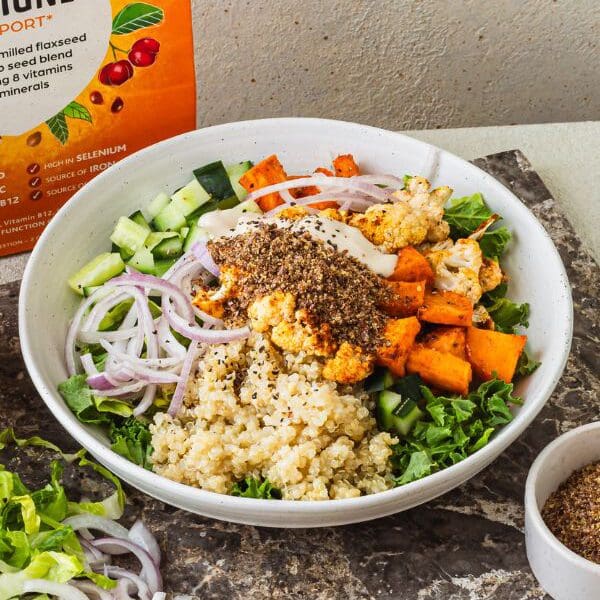
Vegan Meal Ideas High in Omega-3
Simple Flaxseed Breakfast Bowl
- 2 dsp Linwoods Cold Milled Flaxseed
- 1 cup oats
- 1 cup plant-based milk
- Fresh berries
Mix oats and plant milk, stir in flaxseed and top with berries for a fibre-rich, ALA-packed start to the day.
Easy Milled Chia & Berry Overnight Pot
- 2 dsp Linwoods Milled Chia Seeds
- 1 cup plant yoghurt
- 1 tbsp maple syrup
- Handful of berries
Combine ingredients in a jar, refrigerate overnight and enjoy a simple, nutrient-rich breakfast.
Straightforward Soya Bean Stir-Fry
- 1 cup cooked soya beans
- Mixed vegetables
- Ginger and garlic
- 1 tbsp rapeseed oil
To easily find vegan sources of omega-3 we have a wide range of healthy vegan recipes that will allow you to hit your specific nutritional goals
Easy Ways To Increase Omega-3 in A Vegan Diet
Omega-3 is an essential nutrient, and vegan diets can easily meet daily needs through simple, ALA-rich foods. By including flaxseed, chia seeds, walnuts and rapeseed oil regularly, it becomes straightforward to support omega-3 intake while also adding valuable fibre, plant protein and micronutrients to meals.
Small daily additions can help build a balanced and nourishing approach to plant-based eating.


 No products in the cart.