Contents
- What is protein?
What are the different sources of protein?
What are the differences between plant‑based and animal‑based protein?
What are complete and incomplete proteins?
What does protein do?
How much protein do you need per day?
Protein guidelines for Ireland vs UK
Do vegans and vegetarians need more protein?
What happens if you eat too much protein?
Building a balanced approach to protein
References
What is protein?
What is protein? Protein is one of the main nutrients your body relies on every day. It helps you build and maintain tissues, supports normal growth and repair, and plays a role in many natural processes that keep you well – from supporting muscle structure to helping form enzymes and hormones.
At its simplest, protein is made up of smaller building blocks called amino acids. Some of these your body can make; others often called “essential amino acids” – need to come from the foods you eat. That’s why including a variety of protein sources in your daily meals matters.
Proteins can be found in a wide range of foods, from meat and plant-based sources. In fact, many people are surprised by how much protein you can get from plant sources alone, especially when you combine different foods.
What are the different sources of protein?
Protein comes in many forms, but from a nutrition point of view, we typically talk about two broad categories: plant‑based proteins and animal‑based proteins. Both can play a role in a balanced diet, and you can meet your needs from either – or a mix of the two – depending on your preferences.
Plant-based proteins
Plant proteins come from foods like beans, lentils, chickpeas, nuts, seeds, wholegrains, tofu, soya foods and mycoprotein (meat-substitutes). UK guidance encourages us to include more of these foods because they are naturally low in fat, high in fibre, and offer a wide range of nutrients alongside their protein content. These foods also contribute to fibre, omega-3 and other dietary goals.
Some plant proteins, contain all the essential amino acids, just sometimes in smaller amounts. Eating a variety of plant foods across the day naturally provides everything your body needs.
Learn more about the importantance of plant-based protein, where to find it and some considerations before moving to a complete plant-based sourcing of the protein in your diet.
Animal-based proteins
These include foods such as chicken, fish, eggs, dairy, and lean red meat. They provide protein along with other nutrients such as B vitamins, calcium (from dairy), and iodine. UK healthy eating models place meat, fish, eggs, dairy and plant-based alternatives together within the recommended protein rich food group.
What are the differences between plant-based and animal-based protein?
There are a number of differences between the protein types, but it is imperative to note, one is not ‘better’ than the other.
Amino acids in protein
Animal proteins usually contain all nine essential amino acids in one source. Some plant proteins, such as soya and pea protein, also provide the full set, while others contain different proportions. This is normal, and eating a variety of plant foods across the day supplies everything your body needs.
Fibre and supporting nutrients
Plant protein foods naturally provide fibre along with a wide range of vitamins and minerals. Animal proteins do not contain fibre but do offer certain nutrients that are more difficult to obtain from plant foods, such as vitamin B12 and haem iron.
Saturated fat and overall fat profile
Plant proteins tend to be lower in saturated fat. Some animal protein foods, depending on the cut, can be higher. Current dietary guidance encourages including more plant based proteins as an alternative to meat because they’re low in fat and a good source of fibre and protein too.
Variety matters more with plant proteins
When choosing plant-based proteins, it is important to remember plant proteins differ in their amino acid levels. Eating a range of beans, lentils, nuts, seeds, wholegrains and vegetables ensures you get everything you need without overthinking it.
What are complete and incomplete proteins?
‘Complete’ and ‘incomplete’ refer to how different foods provide essential amino acids. Essential amino acids are the ones your body cannot make, so you need to get them from your diet.
Complete proteins
These foods contain all the essential amino acids in amounts the body can use.
Examples include:
- Chicken, fish, eggs and dairy
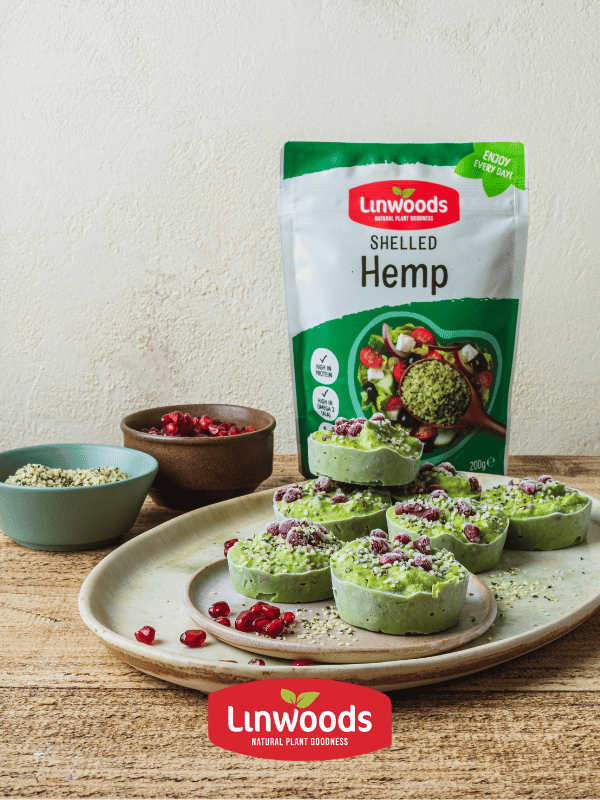
- Hemp seeds
- Soya foods such as tofu, tempeh and soya mince
- Quinoa and buckwheat
- Mycoprotein products like Quorn
UK nutrition guidance lists the above as high‑quality protein sources.
Incomplete proteins
These foods also contain essential amino acids, but not always in the same proportions.
Most plant foods fall into this group, including:
- Flaxseed
- Chickpeas, beans and lentils
- Nuts and seeds
- Wholegrains such as oats and brown rice
- Vegetables
The British Dietetic Association explains that this distinction can cause confusion. What matters is variety across the day. A typical plant‑focused diet naturally provides all essential amino acids once you include different legumes, grains, nuts, seeds and vegetables.
What does protein do?
Protein plays a key role in our everyday wellbeing, maintain, repairing and supporting the cells and processes which allow us to go about our everyday lives. Four key roles of protein include:
Protein supports the structure of your body
Protein helps the body maintain muscles, skin and other tissues. It does this by supplying amino acids, which your body uses every day for natural renewal and repair. This is a normal, ongoing process that happens throughout life.
Protein is involved in natural enzymes and hormones
Many of the enzymes your body uses for everyday functions, along with several hormones, are made from amino acids. Including enough protein in your diet helps your body carry out these normal activities.
Protein contributes to daily energy and fullness
Protein-rich foods can help you feel satisfied after meals, which supports steady energy across the day. This is one reason UK guidance encourages including beans, pulses, eggs, fish, meat and other protein foods as part of a balanced diet.

Protein is essential for periods of growth
Children, teenagers, older adults and people who are more active may have higher daily needs. This does not require specialised products; it simply means including protein foods regularly as part of normal eating patterns.
Essentially, protein is key to our everyday life, needs increase when we take on extra activity, so having a steady source of protein across meals helps support daily routines. Next we’ll look at exactly what amount of protein we need to meet our needs.
How much protein do you need per day?
In the UK, general guidance suggests that most adults need 0.75 grams of protein per kilogram of body weight each day. This is the figure used by the NHS and offers a helpful starting point for everyday eating. For example, someone who weighs 70 kg would need around 52–53 grams of protein per day.
Your needs can be higher if you are more active, growing, recovering, or training regularly. This does not mean you need to make big changes. It simply means including a steady source of protein across meals and snacks can help support your routine.
Many familiar foods contribute to daily protein intake, including beans, pulses, nuts, seeds, yoghurt, eggs, fish, chicken and plant-based alternatives. Seeds such as flaxseed and chia can be an easy way to boost protein in breakfast, salads or shakes.
Protein guidelines for Ireland vs UK
Ireland does not publish a separate standalone protein number for the general adult population, but its national guidance follows the same scientific recommendations used across Europe. These come from the EFSA (European Food Safety Authority), which sets the population reference intake for protein at 0.83 g per kilogram of body weight per day.
This is close to the NHS figure of 0.75 g per kg, and both are considered guidelines to follow. In simple terms, aim for steady protein intake throughout the day and adjust for age, activity and appetite.
Do vegans and vegetarians need more protein?
No, this idea stems from the notion that vegans and vegetarians are in a constant state of low-protein, in reality varying plant-based proteins is enough.
The key point is variety. Plant foods often contain different amounts of essential amino acids. As noted on Healthline notes that some plant proteins, like soya and pea protein, are complete sources, while many others are some plant foods such as beans and nuts are rich in protein but are “incomplete proteins”, meaning they are lower in one or more essential amino acids. However, combining a mix of these incomplete plant protein sources can still meet your body’s needs
For more info on the benefits of varied diet, see our plant points healthy eating guide.
What happens if you eat too much protein?
For most people, having a bit more protein than they need is not usually a concern, especially when it comes from everyday foods such as beans, lentils, nuts, seeds, eggs, dairy, fish or plant‑based alternatives. The body can use protein for energy if it is not needed for growth or repair, and any extra is simply processed in the same way as other nutrients
The NHS focuses more on getting enough variety rather than warning against high protein intakes for the general population. It highlights that eating beans, pulses, eggs, fish and other protein foods as part of a balanced diet is the goal, rather than aiming for very high amounts.
Where large excesses can sometimes cause issues is when protein intake becomes consistently very high from concentrated sources, especially if it pushes out other nutrients. For example:
- Relying too heavily on protein powders or large portions of animal protein may mean you miss out on fibre-rich foods such as wholegrains, fruit, vegetables, pulses and seeds.
- Diets that are very high in protein and low in plant foods can be higher in saturated fat, depending on the choices made.
While vegans are encouraged to combine plant protein sources to balance amino acids, there is little risk of eating too much protein.
Building a balanced approach to protein
Protein plays an important part in everyday eating, and most people meet their needs comfortably through a balanced diet. When your meals include a variety of beans, pulses, nuts, seeds, wholegrains and plant‑based alternatives, you naturally support your daily protein intake alongside the fibre, vitamins and minerals that help keep you well.
Most people do not need large amounts of concentrated protein products. What matters is balance. Choosing wholefoods, eating regularly and including different plant‑based protein sources across the day keeps things simple and supports your routine, whether you follow a plant‑based diet or simply want to include more plant proteins in your meals.
If you would like to explore this topic further, you can now dive into our two companion guides: Vegans + Protein Goals, which offers a clear look at meeting daily protein needs on a fully plant‑based diet, and Plant‑based Power: Protein for Muscle Gain, a practical resource for supporting strength and activity with plant‑focused foods.
References for ‘What is protein?’
In this article where we have asked an overview question of ‘What is protein?’ has been supported by the following sources.
- NHS – Eatwell Guide
Guidance on balanced eating, protein foods, and plant‑based protein sources.
Visit source - NHS – The Vegan Diet
Official NHS guidance on meeting nutrient needs on a vegan diet, including protein recommendations.
Visit source - Healthline – Animal vs Plant Protein: What’s the Difference?
Explains amino acid profiles, complete vs incomplete proteins, and differences between plant and animal sources.
Visit source - Cambridge University Press – Characterising Dietary Protein Intake in Irish Adults
Provides Irish protein intake data and reference values based on EFSA recommendations (0.83 g/kg).
Visit source - FAO – Ireland: Food‑Based Dietary Guidelines
Official Irish healthy eating framework, including protein‑rich food group recommendations.
Visit source - Teagasc Summary of FSAI Report on Older Adults
Highlights increased protein needs for older adults in Ireland and practical guidance for everyday nutrition.
Visit source
If you have enjoyed our article on ‘What is protein?’ you can find out more essential nutritional information as you begin your journey into nutrition and how it benefits you.

 No products in the cart.