


In a world where we track protein, fibre and more getting the right amount of magnesium is sometimes overlooked.
Modern food systems have made it harder to maintain naturally good levels of magnesium in the diet. Changes in farming practices have reduced the mineral density of soil, and the rise of ultra‑processed foods means fewer meals are built from nuts, seeds, vegetables and wholegrains. At the same time, interest in magnesium has reached record highs in 2026, yet it still feels like a mystery nutrient compared to big wellness trends.
Visit our complete guide to magnesium to learn more about it’s benefits, foods you will find it in and how to easily include it in your diet
What is the right amount of magnesium per day?
Before covering how to introduce magnesium to your diet, let’s cover intake. The NHS recommend 300mg daily of magnesium for men and 270mg daily for women, the guidance is for adults aged 19-64, with a recommended upper limit of 400mg.
A balanced diet should be your primary source for the right amount of magnesium, but supplements may also be an option for some.
How to add the right amount of magnesium to your diet
The good news is that boosting magnesium doesn’t require supplements or strict routines. A few everyday foods can help you reach your intake comfortably.
1. Eat Leafy greens
Leafy greens are dependable sources of magnesium. Spinach, for example, provides around 79 mg per 100 g raw and 87 mg per 100 g cooked, making it one of the most magnesium-rich vegetables.
Adding a handful to meals, wilted into eggs, stirred through soups, mixed into curries, or blended into smoothies, is an easy daily win. Getting the right amount of magnesium through foods also means you’re ingesting healthy fibres and plant proteins found in foods like spinach.
2. Add Pumpkin seeds to Meals
Pumpkin seeds are one of the richest natural sources of magnesium, typically around 550–592 mg per 100g depending on preparation. A small serving added to yoghurt, salads, porridge or homemade mixes can contribute significantly to your daily magnesium needs. Linwood’s Milled Organic Flaxseed, Sunflower seed blends containing pumpkin seeds also support this naturally, offering a convenient way to add them into routine meals.
3. Add Chia seeds to smoothies
Chia seeds deliver approximately 280 mg of magnesium per 100 g, or about 56mg in a 20g serving. Their mild flavour makes them ideal for smoothies, overnight oats or yoghurt bowls. They also bring fibre and plant‑based omega‑3 fats, making them a nutrient-dense choice that supports more than just magnesium intake. Linwoods Chia blends work well here too, helping you boost several nutrients at once.
4. Don’t rely on supplements
Magnesium supplements are widely available, but they aren’t necessary for most people. UK dietary guidance states adults should be able to meet their needs of magnesium through a balanced and varied diet, and NHS Dietetic Services advise not exceeding 400 mg per day from supplements, as higher doses can cause digestive upset. For most people, wholefoods remain the most effective and gentle way to support daily magnesium intake.
5. Flaxseed
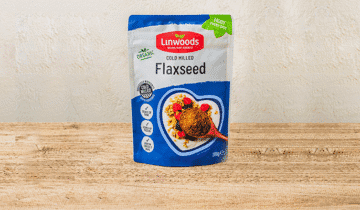
Flaxseed is one of the most versatile ways to incorporate magnesium into your diet, offering around 380 mg per 100 g. It also provides fibre and plant omega‑3 (ALA), giving it a strong overall nutritional profile. Milled flaxseed is particularly useful as it blends easily into porridge, yoghurt, smoothies or baked dishes. Linwoods flaxseed blends provide a simple, consistent way to add magnesium‑rich seeds to breakfast or snacks without extra preparation.
You can find our magnesium-rich blend in our online store as a way of introducing three great milled seeds to your meals.
6. Build habits around foods you enjoy
Magnesium becomes easier to maintain when it fits naturally into the meals you already make. This could be porridge with seeds, a daily smoothie with chia, leafy greens with dinner, or adding a couple of spoonfuls of flaxseed to whatever you already enjoy. Getting the right amount of magnesium doesn’t require a dramatic change — just a few smart swaps and small steady habits.
7. Prioritise wholefoods over ultra‑processed options
Ultra‑processed foods provide energy but very few minerals. Magnesium comes from whole ingredients such as nuts (almonds, cashews), seeds (flaxseed, chia seed), green leafy vegetables (spinach), fruit (bananas, avocado), beans (baked beans, kidney beans) and wholegrains. Starting your day with whole‑food choices and steering away from highly processed snacks can help create habits that support your overall nutrient intake. It’s a simple shift that benefits far more than just magnesium intake.
Need help getting started?
Small changes made consistently add up. Explore our online shop or return to our blog for more nutrient guidance, simple recipes and ideas to build a balanced diet around real foods.


 No products in the cart.