

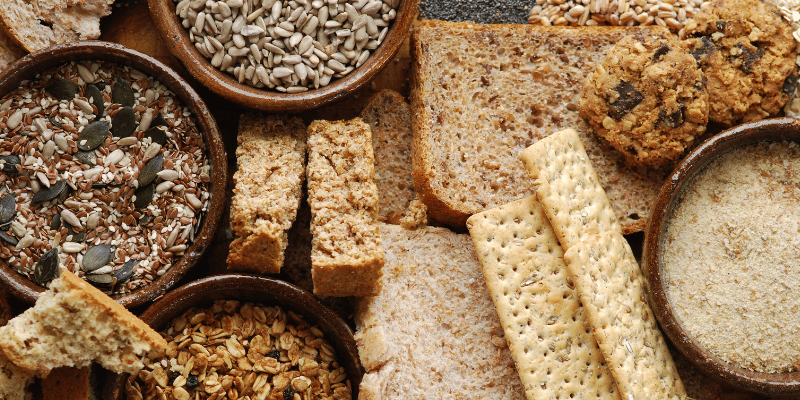
Fibre is a simple but powerful part of everyday nutrition, yet many of us still don’t get enough of it. It plays a central role in digestive health, gut balance, heart health and steady energy, supporting the body in ways that often go unnoticed. This guide breaks down the essentials of dietary fibre in a clear, practical way, explaining what fibre is, why it matters, and how different types work together to support overall wellbeing.
Contents
What is fibre?
What is dietary fibre?
What is fibre important for the body?
What is the microbiome?
How much fibre should we eat?
How much fibre do children need?
Why do people not get enough fibre?
Signs you need more fibre
How to increase fibre safely?
What are two types of fibre?
Is Insoluble Fibre or Soluble Fibre better for you?
Example of balanced fibre diet
Fibre Frequently Asked Questions
Before diving into the benefits of fibre, let’s cover the basics of what fibre actually is, where it comes from, and why it’s such a simple but powerful part of everyday nutrition.
What is fibre?
Fibre is a form of carbohydrate found in plant foods that can’t be fully digested by the body. As it can’t be fully broken down in the small intestine it reaches the large intestine intact where it is completely or partially broken down by bacteria helping to support a healthy digestive system, adding bulk to stools and preventing constipation.
A high fibre diet is linked to reduced risk of chronic diseases such as heart disease, diabetes and certain illnesses.
What are the different types of fibre?
Dietary fibre is often divided into two clear groups, soluble fibre and insoluble fibre.
Check out our nutritionist-led guide which explains the key differences between soluble vs insoluble fibre and how each supports the body in more detail.
Soluble Fibre
Soluble fibre is a form of dietary fibre that dissolves in water, forming a gel-like substance in the stomach. By slowing digestion, it can help reduce (LDL) cholesterol, regulate blood sugar and maintain the feeling of fullness. Soluble fibre is found in foods such as oats and fruits, (e.g. apples & bananas) scientifically known as pectin and beta glucans.
Insoluble fibre
Insoluble fibre does not dissolve in water; thus it passes through our digestive system mostly intact. This quality makes it good for the prevention of constipation, by bulking stools and helping food pass through our digestive system smoothly. Soluble fibre draws water into the bowel so, it is important to increase fluid intake when increasing your intake of this fibre. Whole grain products, vegetables (e.g. green beans & potato)and nuts (e.g. peanuts & almonds) and seeds (such as flaxseed) are all sources of insoluble fibre.
Why is fibre important for the body?
To understand why fibre matters, it helps to look at the powerful ways it supports your digestion, gut health, and overall wellbeing benefits many of us don’t realise fibre is responsible for.
Fibre plays a central role in our health, specifically within our digestive system, gut health, blood sugar management and cholesterol control.
Fibre, blood sugar and metabolism
Soluble fibre slows digestion and absorption of sugar, helping to stabilize blood sugar levels and reduce sikes after meals. This makes fibre key to your metabolic health.
Fibre and cholesterol
Soluble fibre attracts water and forms a gel-like substance in our gut, which binds to the cholesterol particles, known as LDL or ‘the bad’ cholesterol. Once trapped, LDL cholesterol is excreted from the gut as waste preventing its reabsorption into the bloodstream, thereby helping to lower blood cholesterol levels.
Reducing cholesterol is key to long term heart health, soluble fibre is a simple way to boost your health in this area.
Fibre and digestion
Fibre is key to how our digestive system works, moving food smoothly through our digestive system. Soluble and insoluble fibre contribute to regularity of bowel movements, digestive comfort and overall bowel health.
Fibre and your gut health
Certain (soluble) fibre types act as prebiotic fibres or food for gut bacteria, meaning they ferment fibres into short chain fatty acids to support a diverse microbiome. A healthy microbiome contributes to better natural immunity, reduced gut inflammation and efficiency in digestion.
What is the microbiome?
The microbiome is made up from trillions of microorganisms- largely bacteria- that live in your gut and help keep you healthy. These microorganisms are essential for digestion, immunity and nutrient production. Microbiome health is linked to having a diverse and healthy diet, making prebiotic fibre essential as it feeds a healthy gut. For a more detailed explanation of the microbiomes role in our health, read more by nutritional therapist Farzanah Nasser.
How Much Fibre Should You Eat Per Day?
Before looking at the specific recommendations, it helps to understand how much fibre our bodies need each day to stay healthy and why most of us aren’t getting enough.
The recommendation is that adults eat 30g of fibre per day, this intake is beneficial for maintaining both digestive and overall health.
Both Irish and UK adults are falling below their required fibre intake, with only 4% of adults hitting the 30g daily fibre target. As a result, PubMed point out 90% of people in the UK & Ireland are considered to have a fibre deficiency.
If you’re looking for practical changes, explore our 7 easy ways to increase fibre intake to help you gradually build more fibre into everyday meals
How much fibre should children eat per day?
For children the recommendations according to the National Health Service are as follows:
- 2 to 5 year-olds: need about 15g of fibre a day
- 5 to 11 year-olds: need about 20g of fibre
- 11 to 16 year-olds: need about 25g of fibre
In the UK, teenagers also fall into fibre deficiency, with the average intake being around 16g per day.
Why People Don’t Get Enough Fibre
Low fibre intake is widespread across the UK & Ireland with many people simply not realising they are fibre deficient. Common issues around fibre awareness are:
- Not knowing the recommended daily intake (RDI)
- Not eating enough fruit, vegetables or legumes
- Choosing refined carbohydrates over wholegrains
- Busy lifestyles and dependency on ultra-processed foods
Even in balanced diets, fibre can be overlooked, especially when it comes to hitting 30g daily.
Signs you may not be getting enough fibre
If you are not hitting your daily recommended fibre intake, you are definitely in the majority in Ireland & the UK. According to the Food & Drink Federation, just 7% of people know they should be getting 30g daily. But there are signs you can look out for which indicate a lack of fibre in your diet. Some of the most common symptoms are:
- Bloating or sluggish digestion
- Experiencing hunger shortly after eating (reduced satiety)
- Feeling tired or suffering from crashes
- The Two Main Types of Fibre Explained

How to increase fibre intake in your diet safely?
It is recommended to increase fibre slowly and steadily. When increasing the amount of fibre in your diet it is also recommended to stay hydrated. Fibre works best when there is enough fluid in the digestive system. If fluid intake is low, increasing fibre too quickly can lead to bloating & discomfort.
As a general guide, aim to drink water regularly throughout the day, especially when increasing your fibre intake. Water, herbal teas and other unsweetened drinks all contribute to hydration.
What are the two types of Fibre?
As noted above, the two types of dietary fibre are soluble and insoluble fibre. Each performs its own role in the body, combined they improve digestion, gut health and offer other long term health benefits.
To find the balance in your diet, it’s important to understand where you can find each type of fibre and know their unique benefits.
What does soluble fibre do?
Soluble fibre plays a multi-functional role in supporting your health. When soluble fibre enters our digestive system, it combines with liquid to form a soft, gel-like substance slowing the movement of food through the gut. The process steadies blood sugar levels, encourages your body to clear excrete LDL cholesterol as waste and enhances satiety (the feeling of fullness) after meals.
Together, these effects make soluble fibre a key nutrient for smoother digestion, balanced energy, and long term heart health.
Foods High in Soluble Fibre
A wide range of foods are rich in soluble fibre, making easy to include in your daily routine. Foods such as oats, apples, citrus fruits, berries, carrots, beans, lentils, and many root vegetables contain soluble and support smoother digestion.
Soluble Fibre in Seeds
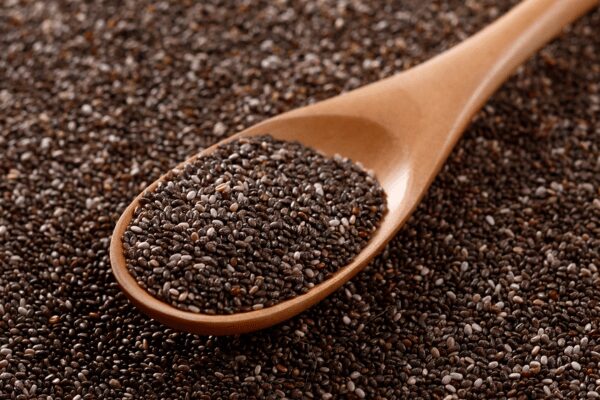
Seeds like chia and flaxseed (linseed) are naturally rich in soluble fibre, with their gel-forming qualities are soothing for the gut. As well as benefits such as supporting heart-health and weight management, adding seeds to your diet is a very easy way to add fibre to your diet.
From a practical standpoint, you only need to add some seeds to a meal you already enjoy each day. Seeds like chia and flaxseed are naturally rich in soluble fibre, and their gentle gel forming qualities make them especially soothing for the gut. This gel helps support smoother digestion and contributes to maintenance of normal cholesterol levels, making seeds an everyday way to nurture your wellbeing.
What does insoluble fibre do?
As the name suggests, insoluble fibre does not dissolve in water, instead it adds bulk to stools playing a key role in keeping the digestive system moving comfortably. The outcome is a reduced risk of constipation, and a steadier digestive rhythm.
Even though it does not form a gel, insoluble fibre contributes to feeling full by adding physical bulk to the stool. This ‘bulking’ action makes you feel more satisfied after meals, making you less likely to reach for snacks between meals, making insoluble fibre beneficial or weight management.
Foods High in Insoluble Fibre
Foods rich in insoluble fibre include vegetables (with skins), wholegrains, nuts (e.g. peanuts & almonds) and seeds. When eaten as part of a balanced diet, they help move food efficiently through the digestive system.
Insoluble Fibre in Seeds
Seeds are a great source of insoluble fibre, in fact some seeds contain both types of fibre. Hemp seeds (or heart hearts), contain around 80% insoluble fibre and 20% soluble. Other whole seeds such as flaxseed and chia are also rich in both fibres, flaxseeds are typically two thirds insoluble, making them a good choice to maintain a well-functioning digestive system.
Is Soluble or Insoluble Fibre Better?
Achieving Balance In Fibre
Rather than picking a “better” fibre, this section explains why your body actually thrives on a blend of both.
In short, neither is better, they complement each other rather than compete. Soluble and insoluble fibre each deliver different benefits, and your body depends on both to keep digestion running smoothly, support gut health, and maintain long‑term wellbeing.
Why Your Body Needs Both Types of Fibre
Some foods will have one or both types of fibre, and you should embrace both equally. Your body requires different types of fibre to achieve separate goals in your digestive system. Soluble fibre concerns itself with slowing digestion, reducing cholesterol and steadying blood sugar. Insoluble fibre adds bulk to the stool, expands food in the gut and supports regularity in the bowel avoiding constipation.
What a Balanced Fibre Intake Looks Like
Hitting your fibre goals isn’t about having a complex diet, it’s about identifying foods that satisfy your dual fibre needs.
An example of common foods that could help you reach your 30g recommend daily intake of fibre include Soluble‑rich foods such as oats, berries, apples, green beans or insoluble-rich foods like wholegrains, vegetables with skins, nuts, flaxseed & chia seeds.
Most plant foods contain a blend of both fibres, so eating a varied, plant‑forward diet is often enough to support a well‑rounded fibre intake that benefits your digestion, energy levels, and overall health. If you would like to learn more about the benefits of varying the plants in your diet, see our introduction to plant points.
Frequently Asked Questions
When people ask what is fibre, they are really asking a number of questions based on their individual needs. This guide is for anyone looking to improve digestion, gut health, heart health or energy through diet.
What foods provide fibre?
There are a number of types of foods that can help you hit your fibre goals including Wholegrains, beans, lentils & fruit. A more detail list includes:
- Wholegrains (oats, brown rice, wholemeal bread)
- Beans and lentils
- Fruit (especially with skin)
- Vegetables (sweet potatoes, green beans)
- Nuts and seeds
What is prebiotic fibre?
A dietary fibre found naturally in certain plant foods, which is fermented by gut microbes to feed beneficial gut health and supports a healthy microbiome.
What happens if you don’t eat fibre?
A low fibre diet (beneath 30g daily for an adult) may result in:
- Constipation
- Higher cholesterol
- Blood sugar spikes
- Increased long-term disease risk
Can fibre help diarrhoea?
Soluble fibre absorbs water from your gut, forming a gel-like substance which helps to slow digestion, firming stools and which may help regulate the frequency of bowel movements and reduce the effects of diarrhoea.
Is too much fibre bad for you?
In some instances, eating too much fibre or adding too much to your diet too quickly can have negative effects, such as:
- Bloating
- Gas
- Stomach cramps
Remember to increase your fibre intake gradually and drink plenty of fluids throughout the day
Is fibre good for weight management?
Yes, high-fibre foods can be more filling than low fibre foods. By slowing the digestion process, fibre can leave you feeling fuller for longer, which can help control appetite and reduce overall calorie intake, aiding weight management.
Is fibre good for cholesterol?
Yes, particularly soluble fibre can help lower LDL (“bad”) cholesterol levels. Soluble fibre binds to cholesterol in the gut and prevents reabsorption into the bloodstream which may help lower cholesterol levels.
Does fibre help with bowel regularity?
Yes, soluble and insoluble fibre have different roles for this purpose, both of which can promote bowel health and regular bowel movements.
Soluble fibre absorbs water in the gut to form a gel-like substance, softening the stool and making it easier to pass.
Insoluble fibre adds physical bulk to the stool which helps speed up the removal of waste from your gut.
Does fibre help regulate blood sugar?
Yes, soluble fibre can contribute to blood sugar management.
Soluble fibre absorbs water in the gut to form a gel-like substance in the digestive tract. This gel slows down the digestion and absorption of food, preventing a rapid influx of glucose into the bloodstream, which may prevent spikes in blood sugar levels.
What are examples of high fibre breakfast?
High fibre breakfasts include:
-
- Oats
- Wholegrain cereal
- Chia pudding
- Wholemeal toast with nut butter
- Fruit and yoghurt with seeds



 No products in the cart.