

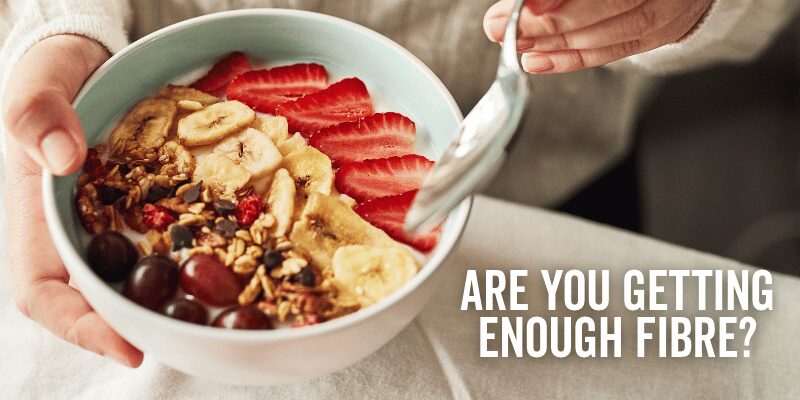
Dr Amir Khan on getting enough fibre… the hidden health problem affecting millions.
We need to talk about fibre. I know, it doesn’t have the glamour of protein or the marketing budget of collagen. Nobody walks into the gym announcing their personal best chickpea intake, but fibre deserves considerably more attention than it gets.
As a GP, I want people to understand that fibre is about much more than what happens when you go to the loo. Although, let’s be honest, a comfortable trip to the loo can improve anyone’s morning.
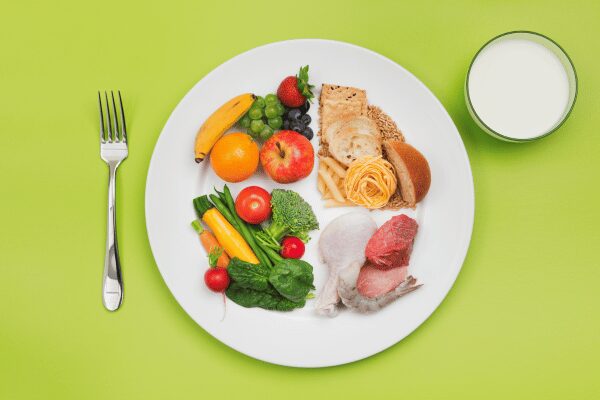
Adults should aim for 30g of fibre a day. Yet the latest UK National Diet and Nutrition Survey found that 96% of adults weren’t meeting that recommendation. That’s an awful lot of us whose meals could do with a little more plant power.
So, what are we missing?
The biggest misunderstanding I want to clear up is that fibre only matters if you’re constipated. People often picture a bowl of bran, a digestive problem and perhaps a slightly joyless breakfast. Actually, fibre is part of the everyday maintenance of your body. A diet rich in fibre is associated with a lower risk of heart disease, stroke, type 2 diabetes and bowel cancer
Fibre comes from plant foods and passes through the small intestine without being fully digested. Different types do different jobs. Some help soften stools and keep things moving, others can be broken down by bacteria in your large intestine. Think of fibre as a team rather than a single ingredient. That team turns up in oats, beans, lentils, wholegrains, vegetables, fruit, nuts and seeds.
Knowing isn’t the same as doing
Most people don’t need another doctor telling them to eat their vegetables. They need advice that fits around work, children, caring responsibilities, food costs and the fact that, by six o’clock, deciding what to cook can feel like another job.

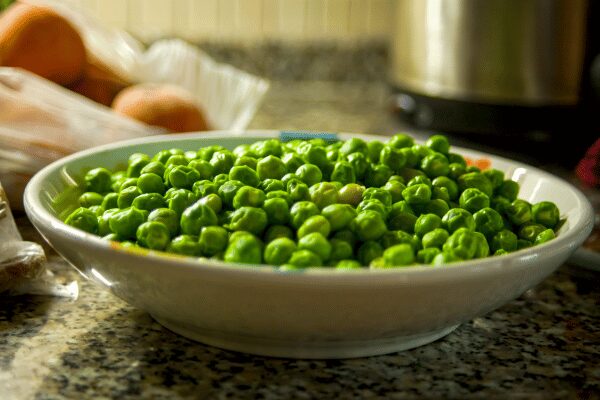
We also hear a lot about what to remove from our diets. Cut this, avoid that, be suspicious of the other. I’d love us to spend more time asking: what could I add? Add a handful of frozen peas to pasta, add lentils to a soup add chickpeas to a curry. These are manageable changes to meals you already enjoy.
Then there’s the bloating issue. Someone decides to “get healthy”, dramatically increases their fibre overnight and spends the next day feeling like an inflatable garden ornament. Understandably, they abandon the experiment.
Build up gradually and drink enough fluid. If you have IBS or a condition requiring a special diet, get advice about which types and amounts suit you. More isn’t automatically better for everyone.
Your gut bacteria need dinner too
Over the next five years, I think we’ll hear much more about what our gut bacteria actually do with the fibre we eat. Your gut microbiome is the community of microorganisms living in your digestive system. Some bacteria ferment fibre, producing substances called short-chain fatty acids. One of these, butyrate, helps fuel the cells lining your bowel. Researchers are also exploring how these substances interact with inflammation and metabolic health.
That’s fascinating, but we don’t need to wait for every scientific answer before making a useful change.
My prediction is that the conversation will increasingly include the variety of fibre we eat, alongside the amount. For now, giving yourself a mix of plant foods is a sensible place to start. Your shopping basket doesn’t need to look like a botanical expedition. Oats, carrots, apples, beans and seeds all count.
Make it easy enough to repeat
Start with one meal. Could breakfast include porridge? Could your lunchtime sandwich use wholemeal bread? Could a tin of beans join dinner?
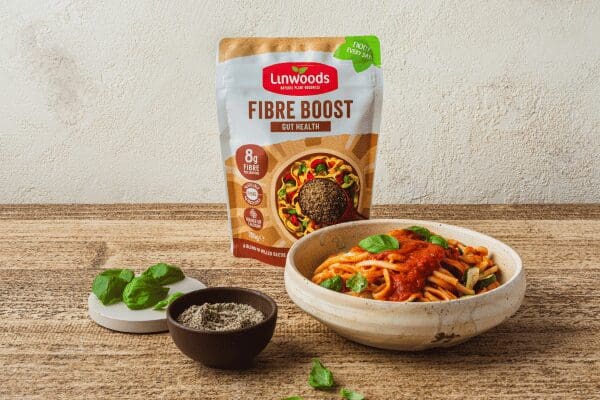
For another convenient addition, there’s Linwoods Fibre Boost. It contains milled chia, whole hemp and flaxseed, alongside psyllium husk and apple fibre. A 20g serving provides 8g of fibre, including both soluble and insoluble fibre: a useful contribution towards that daily 30g target.
You can stir it into porridge, yoghurt, smoothies or sauces, adding extra liquid as it thickens. Start with a smaller amount and build up gradually. Always mix it into moist food or liquid, never eat it dry, and drink a large glass of fluid, around 300ml with each 20g serving.
Keep enjoying a variety of fibre-rich foods alongside it. The aim is to make your usual meals work a little harder for you. You don’t need a perfect diet or a spreadsheet tracking every lentil. Pick one small addition you enjoy, make it a habit, then build from there.
Getting Enough Fibre: What to read and watch next?
As well as Are we getting enough fibre?, Dr Amir has also written insightful blogs on Linwoods Health Foods covering Protein, Muscle Loss with Age and No.1 Protein Habit. Or, if you missed our recent interview with Dr Amir, you can watch below as he meets and fields questions from our Director Patrick Woods.



 No products in the cart.