Discover how psyllium husk supports digestion, balances gut health, and adds effortless fibre to your daily routine.
Psyllium is a natural, soluble fibre sourced from the husk of Plantago ovata seeds, valued for its gel‑forming properties for gentle support to everyday digestive wellbeing.
Driven by a growing focus on gut health, more people are turning to psyllium husk as a reliable soluble fibre source. In this guide, we introduce what psyllium is, how it works, and the simple ways it can help you feel more balanced. We’ll also explore its benefits and how it compares to other products on the market.
Contents
-
-
-
-
- What is psyllium husk?
- Where does psyllium husk come from?
- How does psyllium fibre work?
- Is psyllium husk a soluble or insoluble fibre?
- Is psyllium husk high in fibre?
- The benefits of psyllium husk
- What are the benefits of psyllium husk?
- How to Take Psyllium Husk
- Safety & Side Effects of Psyllium
- Comparisons: Psyllium vs Other Fibres and Seeds
- Psyllium vs Chia Seeds
- Psyllium vs Flaxseed (Linseed)
- Psyllium Husk FAQs
-
-
-
What is psyllium husk?
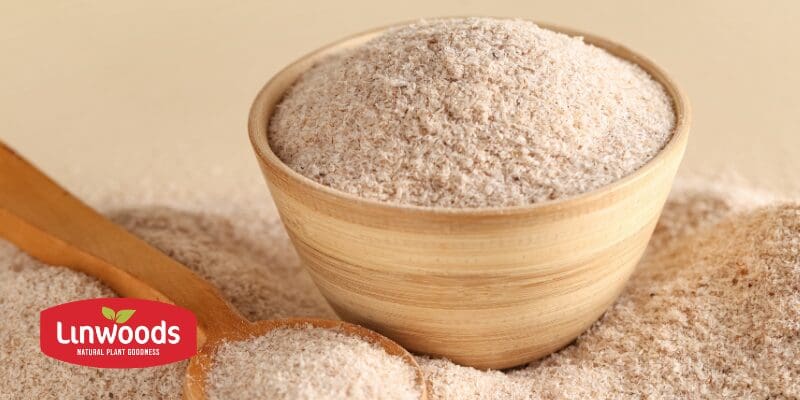
Psyllium husk is a natural, soluble fibre derived from the outer shell of the Plantago ovata seed. With its high concentration of soluble fibre, psyllium husk gently absorbs water and form a gel-like substance in the gut. This unique gelling property is beneficial to help support regular digestion and everyday gut comfort in an easy, natural way.
At its core, psyllium is simply a plant‑based fibre that helps your digestive system work smoothly. It’s often used to top up your daily fibre intake, add softness and structure to gluten‑free recipes, and make every day better.
Where does psyllium husk come from?
Psyllium husk comes from the husk or shell of the Plantago ovata seed, a small plant traditionally grown in warm, dry regions, particularly parts of India. The husk (outer shell) is extremely rich in soluble fibre, which is harvested and milled to produce psyllium husk powder.
How does psyllium fibre work?
Psyllium husk is a natural source of soluble fibre which absorbs water in the digestive system, forming a soft gel-like texture in the intestine. This natural gel helps keep the digestive system moving smoothly, adding bulk and softening the stool, making stools easier to pass and supporting a comfortable rhythm in your gut.
Is psyllium husk a soluble or insoluble fibre?
Psyllium husk is primarily soluble fibre with some insoluble fibre components Psyllium husk contains around 70% soluble fibre and around 30% insoluble fibre. The high soluble fibre content of psyllium husk aids absorption of water in the gut offering the unique gel-forming properties to support bowel regularity.
Is psyllium husk high in fibre?
Psyllium husk is around 85-90%, more so than other seeds such as Chia & Flaxseed. Psyllium husk powder is high in fibre. One teaspoon (5g) contains 4 grams of fibre. In Ireland and the UK foods labelled a ‘Source of Fibre’ must contain 3g of fibre per 100g, meanwhile for ‘High in Fibre’ claims the foods must contain 6g of fibre per 100g, Psyllium far exceeds both definitions.
The benefits of psyllium husk
Often touted as superfood, psyllium husk is increasingly mentioned in the gut health and fibre conversations. But what does it do and who can benefit? Read on to discover how psyllium husk works and where it can make a real difference in your daily routine.
What are the benefits of psyllium husk?
Psyllium’s primary benefit is its ability to support regular, comfortable digestion. Its natural, gel‑forming soluble fibre absorbs water, softens stools, and helps keep everything moving smoothly, making it one of the most effective daily fibres for gut balance and bowel regularity.
Psyllium husk for constipation relief
In short, psyllium husk contains a high concentration of soluble fibre which absorbs water, forming a gel-like substance in the gut which aids softening stools and making them easier to pass. Thanks to its high soluble fibre content, the unique gelling characteristic of psyllium husk can act as an effective natural laxative to ease constipation. The NHS recommends Psyllium as an ingredient for the alleviation of constipation.
Psyllium husk for cholesterol support
Psyllium husk contains approximately 70% soluble fibre. The high concentration of soluble fibre can help lower LDL “bad” cholesterol levels, by binding to bile acids in the digestive tract, aiding removal of cholesterol from the body.
The cholesterol-lowering effects contribute to heart health and places psyllium as a gentle, natural way to help maintain normal cholesterol levels.
Psyllium has been widely recognized as a key ingredient in heart health, and features in the ‘Portfolio Diet’, a plant-based diet proven to reduce LDL cholesterol. In the USA, a 2017 survey found psyllium could reduce bad cholesterol by up to 20%.
Psyllium husk for blood sugar support
The high soluble fibre content of psyllium produces a gel-like substance helps slow the digestion and absorption of carbohydrates, which can support a steady glycaemic response after meals. Its gel‑forming soluble fibre delays glucose uptake, contributing to smoother post‑meal blood sugar levels and more balanced energy.
Psyllium husk for weight management
With its ability to create a natural sense of fullness, psyllium can be a simple daily tool for those looking to support healthy weight management.
By absorbing water and expanding into a soft gel, psyllium helps create a natural sense of fullness that can support satiety and appetite control. The functional properties of psyllium can be an effective strategy for those looking to manage portions and maintain steadier eating patterns.
Psyllium husk for overall gut health
Psyllium husk may support a healthy gut microbiome as it acts as a prebiotic, helping nourish beneficial bacteria in the gut and contributing to a healthier microbiome. Over time, this supports regularity, digestive comfort, and a more balanced gut environment.
How to Take Psyllium Husk
Psyllium husk can be taken in several easy ways, and the best method depends on your daily routine and what you find most comfortable. Whether you prefer powder, capsules, or adding it to food and drinks, the goal is to allow the fibre to absorb enough liquid to form its gentle, gel‑like texture in the gut. Below, we break down the most helpful approaches to using psyllium, including how to take psyllium, recommended dosage, and the importance of drinking water while taking psyllium husk.
Powder vs capsules
Psyllium powder mixes easily with liquids and forms the classic gel‑like fibre that supports digestion, making it the most versatile option. Powder absorbs fluid immediately offering a faster onset of fullness. Capsules offer the same benefits but in a more convenient format for those who prefer not to mix the powder. However, the enclosed shell must first be dissolved before the psyllium is exposed to fluid, delaying bulking effects to provide a more gradual release. The choice comes down to preference: powder allows for flexible use in drinks or recipes, while capsules offer a simple, measured dose without the need to stir or blend.
Psyllium with food vs in smoothies
The simplest way to take psyllium husk is to add to foods such as porridge, allowing the fibre to swell and form a soft gel before it reaches the gut. For those who prefer a smoother texture or more flavour, it can also be added to smoothies, where it blends well without becoming overly thick. Both approaches are acceptable, so long as the psyllium has enough liquid to work effectively and comfortably.
Before or after meals?
Psyllium can be taken at any time of day; there is no strict ‘best time’.
Many people find it helpful to take it before or with meals, as the fibre can support natural appetite control and a steadier digestive rhythm. When taken after meals, it can help soften stools and support comfortable bowel movements. The most important factor is consistency, taking psyllium at roughly the same time each day tends to deliver the best results.
Daily dosage recommendations
Typical guidance suggests 1 teaspoon (approximately 3–5g) of psyllium husk once or twice daily, it is also recommended to drink 300ml of water for each 5g serving. Dosage can vary slightly depending on individual tolerance and goals, and UK‑based recommendations often mirror this range. Starting with a smaller amount and increasing gradually helps the digestive system adjust comfortably.
How long does it take to work?
Psyllium husk usually begins to work within 12 to 72 hours, depending on the individual and the reason it’s being taken. For bowel regularity and stool softening, many people notice improvements within a day or two once fibre intake is consistent. For cholesterol and blood sugar support, benefits develop gradually over several weeks as part of a balanced diet.
Safety & Side Effects of Psyllium
Psyllium husk is considered safe for most people when taken as directed, and it’s widely used as a gentle, plant‑based fibre for daily digestive support. Like all sources of concentrated soluble fibre, it can cause mild digestive changes as your body adjusts. Understanding the common effects, rare risks, and when to seek advice helps you use psyllium confidently and with appropriate hydration.
Common side effects of psyllium
Psyllium’s fibre can cause bloating, gas, or mild cramping, especially when first introduced or when taken without enough water. These effects are usually temporary and tend to settle as your gut adjusts to the increased fibre intake. Starting with a smaller dose and gradually increasing can help minimise discomfort.
Medication interactions
Because psyllium forms a natural gel, it can affect how certain medicines are absorbed. For clarity on specific medicines, consult with a pharmacist or refer to NHS/HSE medication advice pages.
Comparisons: Psyllium vs Other Fibres and Seeds
Psyllium is often compared with other popular fibre sources such as chia seeds and flaxseed (linseed), as each has its own strengths and digestive effects. Understanding how these fibre types differ, in terms of solubility, gut function, and benefits such as cholesterol or regularity, can help you choose the option that best suits your needs.
Psyllium vs Chia Seeds
Psyllium husk is a highly soluble, gel‑forming fibre, while chia seeds contain a mix of soluble and insoluble fibre. Psyllium forms a thicker gel, which can be more effective for supporting regularity, softening stools, and helping maintain comfortable bowel movements. Chia seeds provide insoluble fibre alongside healthy fats and micronutrients, making them a nutritious whole‑food that are a source of protein and high in Omega3 (ALA).
Psyllium vs Flaxseed (Linseed)
Flaxseed (linseed) offers a combination of soluble and insoluble fibre and is also rich in omega-3 fatty acids that support overall wellbeing, while psyllium is predominantly soluble, gel‑forming fibre. This makes psyllium particularly effective for stool softening, bowel regularity, and cholesterol support, whereas flaxseed’s insoluble fibre can add bulk and support general digestive health.
Want to learn more about the benefits?
Psyllium husk is widely recognised for supporting gut health, promoting regular bowel movements, and helping to maintain healthy cholesterol levels. To learn more about these advantages, explore our guide on the benefits of psyllium husk.
Psyllium Husk FAQs
What is psyllium husk?
Psyllium husk is a natural soluble fibre from the outer shell of Plantago ovata seeds that supports digestion by forming a gentle gel in the gut.
Where does psyllium husk come from?
Psyllium husk comes from the seeds of the Plantago ovata plant, which is mainly grown in warm regions such as India.
How does psyllium husk work?
Psyllium absorbs water in the digestive system to form a gel that adds bulk, softens stools, and supports regular bowel movements.
Is psyllium husk soluble or insoluble fibre?
Psyllium husk is primarily soluble fibre, with around 70% soluble and 30% insoluble fibre.
Is psyllium husk high in fibre?
Yes, psyllium husk is extremely high in fibre, with around 85–90% fibre and about 4g per 5g teaspoon.
What are the benefits of psyllium husk?
Psyllium husk supports regular digestion, gut balance, cholesterol levels, blood sugar response, and appetite control.
How do you take psyllium husk?
Psyllium husk can be taken as a powder mixed into liquids or food, or in capsule form, with plenty of water.
How much water should I take psyllium husk?
It’s important to take each serving with at least 300ml (a large glass) of fluid to support digestion.
Does it need to be added to liquid or soaked?
Psyllium husk should not be consumed dry. It should always be mixed into a liquid or food containing liquid before consumption.
What if I forget to drink enough water with it?
If you occasionally forget, make sure to drink fluids afterwards and return to taking it properly with enough water going forward.
How much psyllium husk should you take daily?
Typical guidance is around 1 teaspoon (3–5g) once or twice daily with 300mls of water.
Can psyllium husk be used in cooking or baking?
Yes, psyllium can be used in cooking and baking, although adding it after cooking where possible may help retain more nutritional benefits.
Do I need to start with a smaller dose of psyllium than recommended?
Psyllium Husk Powder is high in fibre, so if you’re new to these product types, we recommend gradually increasing your intake to allow your digestive system time to adjust and help avoid bloating, gas, or constipation.
You could start with 2g of Psyllium Husk Powder for 1-2 weeks and then gradually increase to 5g of Psyllium Husk Powder over time. You can continue building up your intake in this way if needed.
If you experience any digestive discomfort when increasing your intake, you can return to a smaller amount and build up more slowly.
When is the best time to take psyllium husk?
Psyllium can be taken at any time of day, with consistency and hydration being most important.
How long does psyllium husk take to work?
Psyllium husk typically works within 12 to 72 hours for digestive support.
Is there lead in psyllium husk?
All our products including those containing psyllium undergo rigorous testing for heavy metals, including lead, to ensure they meet or exceed all safety standards and legal limits set
Some medical info and health FAQs for psyllium
Please note, we recommend that you speak to your GP if any of the below are considerations prior to taking psyllium husk.
Are there any side effects of psyllium husk?
Mild bloating or gas can occur when starting psyllium, especially if fluid intake is low.
Can psyllium husk help with constipation?
Unfortunately, we can’t provide advice on specific health conditions, but here is further information on the product.
Psyllium Husk is high in fibre, providing around 4.5g per 5g serving. It is particularly rich in soluble fibre, which forms a gel-like substance and helps to regulate the movement of food through the intestines. Psyllium Husk also contains insoluble fibre which is of equal importance in promoting regularity within the digestive system.
If you are new to high fibre products, we recommend gradually increasing your intake to allow your digestive system to adjust to the increased fibre intake.
If you feel any digestive discomfort or issues when increasing intake, you can go back to taking a smaller amount. It’s also important to drink plenty of fluid (at least 300ml per serving) when consuming these products.For more information on the nutritional content, you can refer to the back of our packs or visit our website. If you have specific concerns, we recommend speaking with your GP or a healthcare professional for personalised advice.
Does psyllium husk help with diarrhoea as well as constipation?
Psyllium contains soluble fibre that forms a gel, which helps regulate digestion and can support both slower and more regular bowel movements. We do not advise on strictly medical queries however more info on psylllium can be found on the NHS guide to Ispaghula Husk.
Will psyllium cause bloating/gas/constipation?
If you’re new to fibre-rich products like Psyllium Husk Powder or Fibre Boost, they may cause some digestive discomfort when first introduced.
To help minimise this, we recommend gradually increasing your intake to allow your digestive system time to adjust. For example, you could start with around 5g of Fibre Boost for 1–2 weeks and then gradually increase to 10g of Fibre Boost over time. You could start with 2g of Psyllium Husk Powder for 1-2 weeks and then gradually increase to 5g of Psyllium Husk Powder over time.
If you experience any discomfort when increasing your intake, you can return to a smaller amount and build up more slowly.
It’s also important to drink plenty of water when taking these products, as this helps support digestion and can reduce the likelihood of bloating, gas, or constipation.
Does psyllium husk support cholesterol levels?
Psyllium’s soluble fibre may help maintain normal cholesterol levels by supporting the removal of cholesterol from the body.
Can psyllium husk help balance blood sugar?
Yes, psyllium may support a steadier blood sugar response by slowing carbohydrate digestion and glucose absorption.
I have diabetes, can I use psyllium?
Unfortunately, we can’t provide advice on specific health conditions, but I can provide you further information on the product.
Both Fibre Boost and Psyllium Husk powder can be enjoyed as part of a balanced diet. There is no added sugar in these products. Psyllium Husk is an ingredient high in fibre, particularly soluble fibre, which dissolves in water within the intestines to form a gel. This slows the passage of food through the intestines. Fibre Boost contains a balanced fibre content, providing 4g of soluble fibre and 4g of insoluble fibre per 20g serving. Both soluble and insoluble fibre are important, and the NHS recommends that we consume 30g of fibre per day.
You can check out the back of our packs or our website for further information of the nutritional content of our products. We recommend speaking to your GP or a health care professional for dietary advice.
Is psyllium husk helpful for weight management?
Psyllium Husk powder offers many nutritional benefits, but if your goal is weight loss, the best option often depends on your overall diet and lifestyle.
Psyllium is high in fibre, which can help you feel fuller for longer. It also contains soluble fibre, Psyllium Husk powder provides 3.7g soluble fibre. Soluble fibre dissolves in water within the intestines to form a gel, slowing the passage of food and helping you manage hunger throughout the day and may help reduce snacking between meals.
Can children have psyllium husk?
Unfortunately, we can’t advise on the suitability for children and we would recommend speaking to a paediatrician or health care professional for their opinion. Children’s nutritional needs differ from adults, for example, the recommended daily fibre intake for children aged 2–5 years is approximately 15 g per day (Scientific Advisory Committee on Nutrition, 2023), which can usually be met through diet alone.
Psyllium husk powder is a concentrated soluble fibre source which provides 4.5g of fibre per 5g serving. It is powdered and may represent a chocking hazard to children. Therefore, before giving fibre supplements to children, it is advisable to consult a healthcare professional.
Is there lead in psyllium husk?
All our products including those containing psyllium undergo rigorous testing for heavy metals, including lead, to ensure they meet or exceed all safety standards and legal limits set



 No products in the cart.