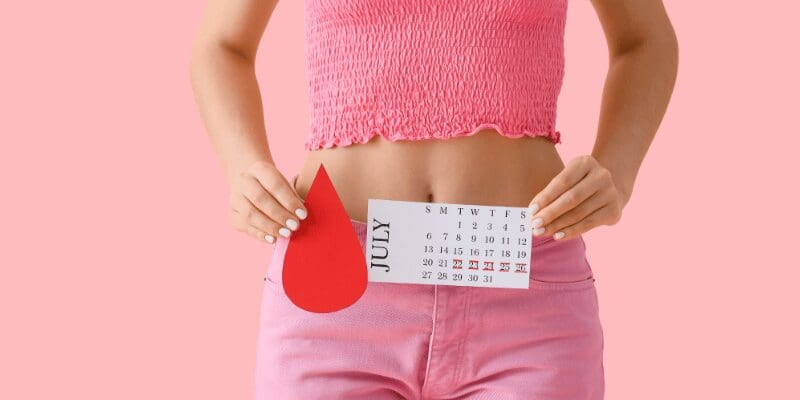
Hormonal health is something many women are becoming increasingly interested in, particularly when it comes to understanding energy levels, mood, cravings and overall wellbeing across the month. Much of this links back to the menstrual cycle, which is driven by natural fluctuations in hormones. Throughout a typical cycle, levels of hormones such as oestrogen and progesterone rise and fall in a predictable pattern. These changes can influence how we feel day to day, from appetite and food preferences, to energy levels and even digestion. For example, some people may notice they feel more energised and balanced in the first half of their cycle, while others experience increased hunger or cravings in the days leading up to their period.
Because of this, it is probably not surprising that there is growing interest in whether nutrition can be used to better support these hormonal changes. Alongside this, social media has introduced a number of trends claiming to “balance” hormones through specific foods or eating patterns – one of the most widely discussed being seed cycling. While the concept seems simple, it’s important to understand what it involves, and what the current evidence does (and doesn’t!) tell us.
How does the menstrual cycle actually work?
The menstrual cycle is typically around 28 days, although this can vary, and is made up of two main phases. In the first half of the cycle (known as the follicular phase), oestrogen levels gradually rise. Many people report feeling more energised, focused and balanced during this time. In the second half (the luteal phase), progesterone becomes more dominant. This is often when changes in appetite, cravings, mood and energy levels can become more noticeable, particularly in the days leading up to a period. These hormonal shifts are completely normal, but they can influence how we feel, and in some cases, how and what we want to eat.
Can what we eat support these changes?
There is increasing interest in whether adjusting our diet across the menstrual cycle could help support these natural hormonal fluctuations. While no single food can directly “control” hormones, nutrition may play a supportive role. For example, eating regularly, including enough fibre, and consuming a variety of nutrients may help support energy levels, digestion and overall wellbeing throughout the month. It’s within this context that approaches like seed cycling have gained attention, particularly online.
What is seed cycling?
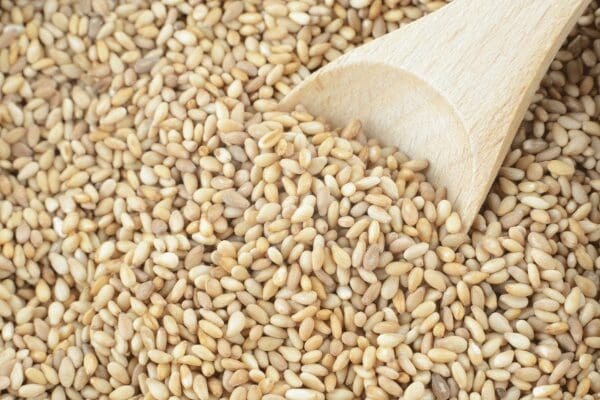
Seed cycling is a dietary approach that involves eating specific seeds during different phases of the menstrual cycle:
- Follicular phase (days 1-14): flaxseeds and pumpkin seeds
- Luteal phase (days 15-28): sesame seeds and sunflower seeds
The theory behind this approach is that the nutrients within these seeds – particularly lignans, essential fatty acids, vitamins and minerals, which may help to support the natural fluctuations of hormones, namely oestrogen and progesterone across the cycle. However, while this idea has gained popularity, it is important to be clear that there are currently no clinical trials investigating seed cycling as a structured intervention for hormone balance. This means it cannot be recommended as a proven or evidence-based strategy in its current form.
Why are seeds often linked to hormone health?
Although seed cycling as a structured approach lacks direct evidence, the nutritional benefits of seeds themselves are very well understood in the nutritional world! It is therefore not surprising that they are often linked to hormone health, given their rich content of fibre, healthy fats, vitamins, minerals and plant compounds.
Seeds are naturally rich in:
- Fibre, which supports digestive and gut health
- Unsaturated fats, including essential fatty acids
- Vitamins and minerals, such as vitamin E, magnesium and zinc
- Plant compounds, including lignans and polyphenols
These nutrients play important roles in overall health, and some are involved in processes linked to hormone metabolism. For example, flaxseed is particularly high in lignans, a type of plant compound that can act as a mild phytoestrogen. This means they can interact with oestrogen receptors in the body, although their effects are much weaker than the body’s own hormones. Some research suggests lignans may influence how oestrogen is metabolised, but this area is still evolving and should be interpreted with caution.
What role does flaxseed play specifically?
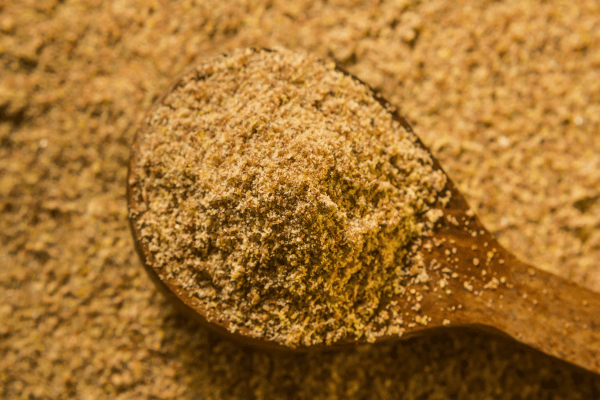
Flaxseed is one of the most studied seeds in relation to hormone health, largely due to its lignan content, but also because of its wider nutritional benefits. In addition to lignans, flaxseed provides:
Dietary fibre
A fibre which supports gut function and regular digestion. Fibre also plays a role in hormone metabolism, as it can help bind and remove excess oestrogen from the body via the digestive system. It also feeds the beneficial bacteria in our gut, which helps to support a healthy microbiome; which we know is associated with a range of benefits for overall health, including digestion, immune function and metabolic health.
Apha-linolenic acid (ALA), a plant-based omega-3 fat.
Omega-3 fats are important for overall health and are involved in processes such as cell membrane structure and signalling within the body. They also play a role in supporting normal inflammatory responses, which is relevant for overall wellbeing.
Magnesium
Magnesium, which contributes to normal muscle and nervous system function. Magnesium is also involved in energy production and can support processes related to relaxation and sleep, both of which are important for maintaining overall hormonal balance.
Together, this combination of nutrients means that flaxseed can contribute to a diet that supports gut health, metabolic health and overall wellbeing – all of which are closely linked to how the body regulates hormones.
How does gut health link to hormones?
The connection between gut health and hormones is another area of increasing scientific interest. The gut microbiome plays a role in how oestrogen is processed in the body, through a group of bacteria sometimes referred to as the estrobolome. These bacteria can influence how oestrogen is activated and excreted within the body. Therefore, diet that supports both gut health, particularly one rich in fibre and a variety of plant foods, may therefore play a role in supporting overall hormonal health.
An interesting study conducted by the American Gut Project found that individuals consuming over 30 different plant foods per week had significantly greater gut microbiome diversity compared to those consuming fewer than 10. Therefore, including foods such as seeds can be one simple way to contribute to this plant diversity within the diet and therefore continue to support overall health and well-being alongside supporting normal hormonal function. This highlights the importance of looking at the diet as a whole, rather than focusing on individual foods or short-term approaches.
Do other seeds used in seed cycling offer benefits?
Alongside flaxseed, other seeds commonly included in seed cycling also provide a range of nutrients that support general health:
- Sunflower seeds are a good source of vitamin E, an antioxidant that helps protect cells from oxidative stress
- Sesame seeds contain lignans, along with minerals such as calcium and zinc
- Pumpkin seeds provide magnesium and zinc, which contribute to normal physiological function
Rather than focusing on strict timing or rotation, including a variety of seeds regularly can help to increase nutrient diversity, which is beneficial for our overall health. Blended products such as Linwoods Menoligna combine flaxseed and chia seeds alongside other nutrients which offers a convenient way to include a range of these components as part of a balanced diet.
So does seed cycling actually balance hormones?
Based on current evidence, seed cycling cannot be considered a proven method for balancing hormones. While the theory behind it is interesting, and the foods involved are nutrient-dense, the specific practice of rotating seeds across the menstrual cycle has not been investigated in clinical trials.
However, this does not mean the concept is a total ‘fad’. What it may encourage is:
A greater awareness of the menstrual cycle
Increased intake of fibre and healthy fats
Inclusion of more nutrient-dense, plant-based foods into the diet
All of which are positive dietary habits that can support overall health and wellbeing.
How can you support hormone health through nutrition?
When it comes to supporting hormone health, the focus should remain on building consistent, sustainable habits which could be implemented throughout the diet. This may include:
Eating regular, balanced meals to support energy levels
Including a wide variety of plant-based foods
Prioritising fibre intake
Incorporating sources of healthy fats, such as nuts and seeds
Supporting gut health through dietary diversity
It’s also important to consider lifestyle factors such as sleep, stress and overall energy intake, all of which play a role in how the body regulates hormones.
How can you include flaxseed in your daily routine?
One of the key advantages of flaxseed is how easy it is to incorporate into everyday meals. Simple ways to include it include:
Stirring milled flaxseed into porridge or yogurt
Adding to smoothies
Sprinkling over salads or soups
Mixing into baking such as muffins or energy balls
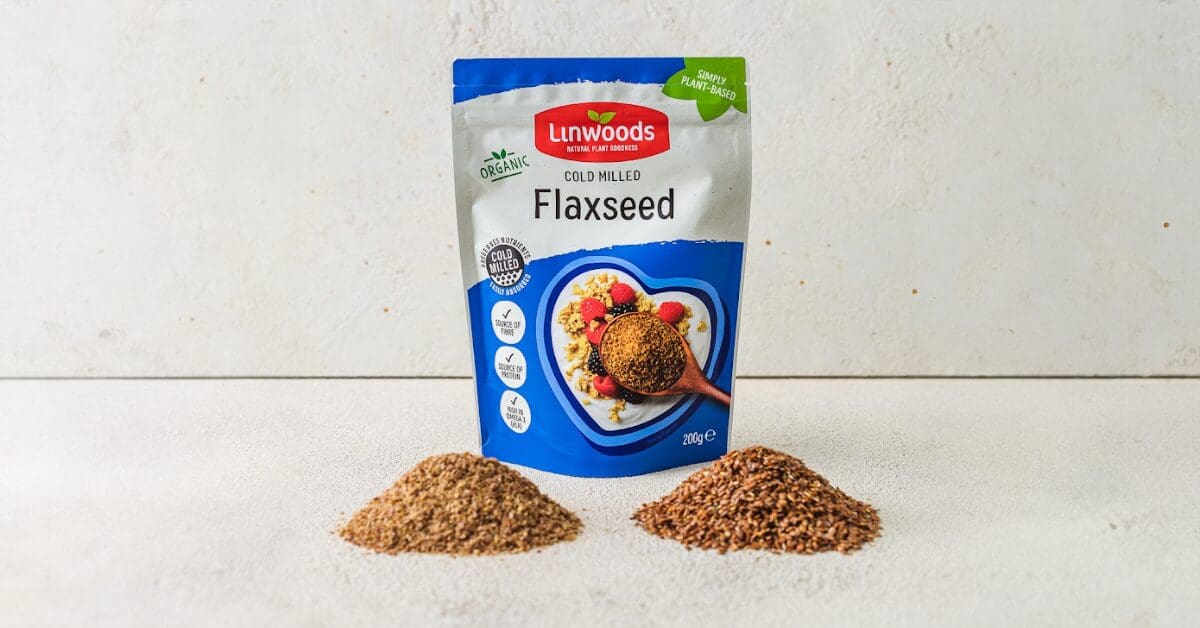
Using products such as Linwoods Milled Flaxseed makes this particularly convenient, as it can be added directly to meals. Blends such as Menoligna or CoQ10 can also provide a simple way to increase intake of seeds and key nutrients as part of a balanced diet.
Conclusion
Seed cycling is an increasingly popular concept, but it is not currently supported by clinical evidence as a method for directly balancing hormones. That said, the foods involved, particularly seeds such as flaxseed, are highly nutritious and can contribute to a balanced diet. Their fibre content, healthy fats and plant compounds may support aspects of health that are linked to hormone regulation, including gut health and overall metabolic function. Rather than focusing on specific trends, a more effective approach is to prioritise a varied, balanced diet that includes a range of nutrient-dense foods. Over time, these consistent habits are far more likely to support overall wellbeing, including supporting hormonal health, in a meaningful and sustainable way.
Rhiannon Lambert, Registered Nutritionist, Sunday Times Bestselling Author and Co-Host of The Wellness Scoop
Sources
Baker, J.M., Al-Nakkash, L. and Herbst-Kralovetz, M.M. (2017). Estrogen-gut microbiome axis: Physiological and clinical implications. Maturitas, 103, pp.45–53.
He, S., Li, H., Yu, Z., Zhang, F., Liang, S., Liu, H., Chen, H. and Lü, M. (2021). The Gut Microbiome and Sex Hormone-Related Diseases. Frontiers in Microbiology, 12.
Lambert, R. (2024). The Science of Plant-based Nutrition. Penguin.
Lambert, R. (2025). The Unprocessed Plate. Penguin.
Lambert, R. (2026). The Fibre Formula. DK Publishing (Dorling Kindersley).
Majeed, I., Nisa, M.U., Rahim, M.A., Ramadan, M.F., Fahad Al‐Asmari, Alissa, M. and Eliasse Zongo (2025). Role of Seed Therapy on Estrous and Non‐Estrous Cycle in Healthy Female Rats. Food Science & Nutrition, 13(1).
McDonald, D. et al. (2018). American Gut: an Open Platform for Citizen Science Microbiome Research. mSystems, 3(3).
Nagarajan, D.R. et al. (2025). Efficacy of Seed Cycling as an Integrative Therapy for Premenstrual Syndrome and Polycystic Ovary Syndrome in Reproductive-Aged Women: A Systematic Review. Cureus, 17(8).
Nattagh-Eshtivani, E. et al. (2025). The effects of flaxseed supplementation on metabolic syndrome risk factors; A comprehensive review. Clinical Nutrition Open Science, 60, pp.262–285.
NHS (2019). Periods and Fertility in the Menstrual Cycle.
Puja Dhamija et al. (2025). Seed Cycling and Hormonal Balance: A Case Study of Successful Fertility Intervention in Polycystic Ovarian Syndrome. Journal of Pharmacy And Bioallied Sciences, 17.
Raza, N. et al. (2026). Nutritional and Health Potential of Edible Seeds: Micronutrient Bioavailability and Mechanistic Insights. Food Science & Nutrition, 14(2).


 No products in the cart.