

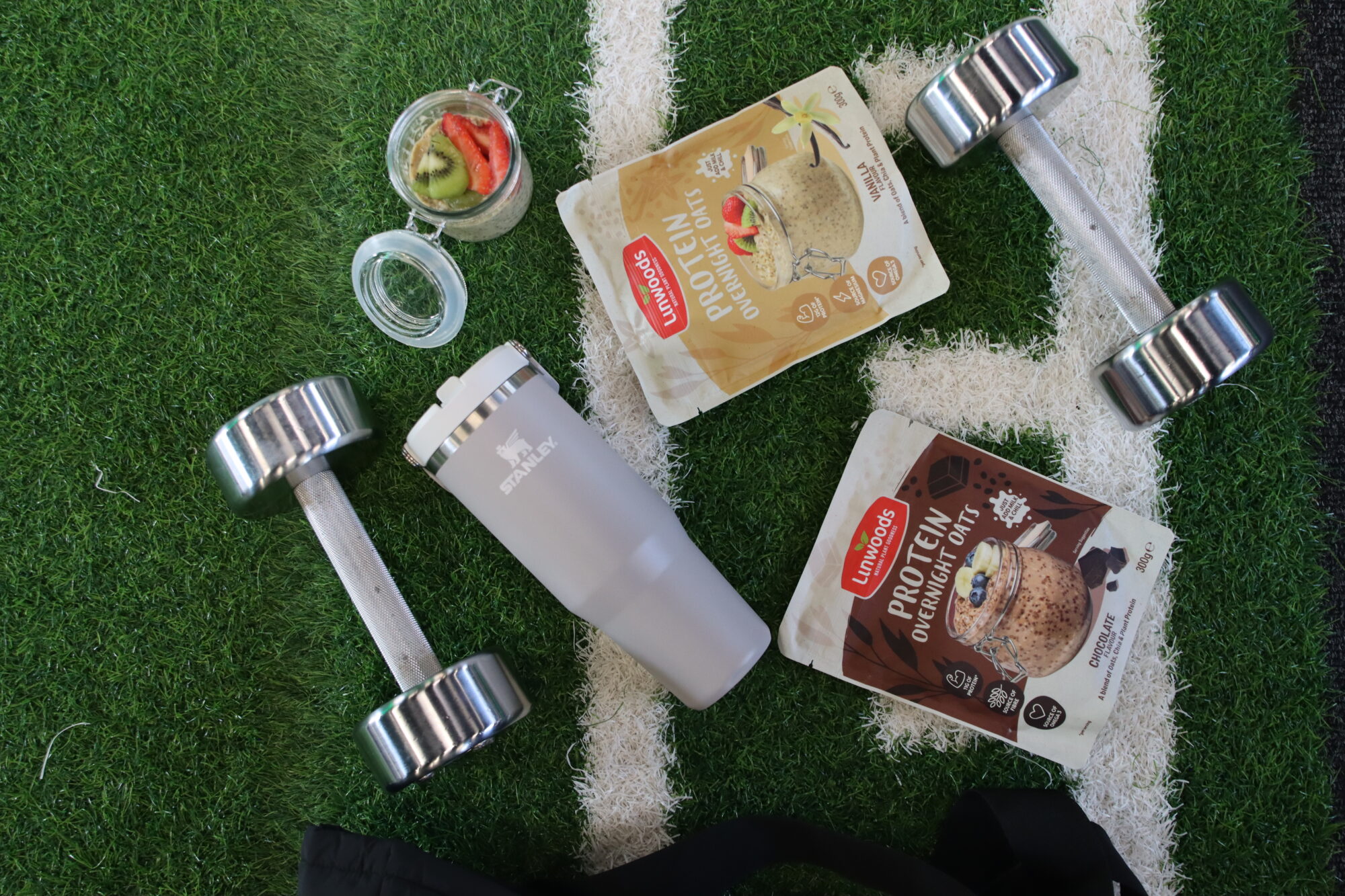
Many people are looking for the best time to eat breakfast before the gym, but the right approach isn’t one-size-fits-all. The best approach depends on your routine, workout type, and how your body responds.
Rather than offering a generic answer, we’re focusing on practical tips to help you fuel your workouts and get the most out of your training.
Should you eat breakfast before or after the gym?
In simple terms, both options can work, but they suit different situations.
If you’re planning a more demanding session, eating before the gym is the better option. This includes strength training, HIIT, or longer workouts where sustained energy matters. Having fuel, specifically protein, in your system supports focus and prevents that mid-session dip in energy. If you would like to better understand nutrients, skip over to our ‘What is Protein? The Complete Guide’.
On the other hand, training before breakfast can suit lighter or very early sessions. If your workout is less than an hour and low intensity, fasted training can feel more comfortable. For example, a quick 30-minute walk or an easy morning session carries less risk when done without breakfast. However, it is important to have a balanced meal soon after to refuel and recover.
The key is to match your nutrition to the demands of your workout rather than following a strict rule. Carbohydrates are your main source of energy, so it is important to include a variety of carb-rich foods in your diet such as a banana which is easy to digest to help you feel energized through your workout.
The table below provides loose rules to follow for pre-workout breakfast.
| Workout Type | Eat Before? | What Works Best | Timing |
| Walking / light cardio | Optional | Small snack (banana, toast) | 0–30 mins |
| Running (steady) | Recommended | Oats with banana or yoghurt | 45–90 mins |
| HIIT / intense classes | Yes | Quick carbs (banana, toast, smoothie) | 20–45 mins |
| Weights / strength | Yes | Oats with banana and protein | 45-90mins |
What are fasted workouts?
Fasted workouts have become popular, and for good reason. For gentle cardio, brisk walking, or short sessions, skipping breakfast isn’t necessarily a problem. Some people even prefer it, finding it easier to move without food sitting in their stomach, although it may not suit everyone. If you have fasted, it is important to eat a balanced meal containing carbohydrates and protein within an hour of your workout to refuel effectively.
As intensity increases, so does the need for fuel. A diet lacking carbohydrates during exercise may lead to low energy levels and performance may suffer. In some cases, people may also experience light-headedness or fatigue, particularly as they push themselves harder. Fatigue can increase the risk of injury and impact recovery if you are under-fuelling or suffering RED-S.
For that reason, while fasted training can work, it’s not always the best choice for more demanding sessions. One of the main reasons people choose to train without breakfast is to avoid discomfort or bloating. If bloating affects your training, there are steps you can take.
Why do I feel bloated after the gym?
Bloating or experiencing cramps after a workout is quite common. It can be a result of dehydration, overhydration, foods, breathing patterns or exercise types such as twisting or bending.
For some, exercise can exacerbate existing digestive discomforts, or reactions to groups like FODMAP foods, releasing some has which can make you feel bloated.
How to avoid feeling bloated during or after the gym.
Some people avoid eating pre-gym as they want to avoid bloating or cramping, however skipping meals can lead to early fatigue, poor performance or even injury.
Instead timing meals and choosing your foods carefully can help avoid dietary discomfort while exercising. Carbonated drinks, foods high in sugar and certain protein shakes may cause bloating, leading to abdominal pain, reflux and diarrhoea. Choose water where possible and easy digestible carbohydrates pre-workout if you consistently feel bloated.
If you are exercising intensely without enough water, your stomach may retain water to compensate for dehydration, which may be a cause of bloating discomfort.
How long should you wait after breakfast before working out?
Timing when to work out plays a role, but it doesn’t need to be overly complicated. It mainly comes down to how quickly your food digests.
If you’ve had a light snack such as a piece of fruit, giving yourself around 20 to 45 minutes is usually sufficient. Fruit such as bananas are digested quickly and provide a fast source of energy.
If you’ve had a more balanced breakfast that includes protein and fibre, for example oats or eggs on toast, waiting closer to one to two hours tends to feel better.
For larger meals containing carbohydrates and protein, allowing two to three hours before exercise can help reduce discomfort and ensure the food has had time to digest properly.
Do you need breakfast before every workout?
Not necessarily. For shorter workouts lasting less than an hour, especially at low intensity, breakfast is often optional. In these cases, how you feel is a good guide. However, it is important to eat a balance meal soon after exercising to recover if fasted.
For longer or more intense training sessions, eating beforehand is typically more beneficial. Choosing easily digestible carb-rich foods helps maintain energy levels, supports performance, and makes it easier to complete the session at the intended intensity.
What to eat before the gym
When it comes to food choices, carbohydrates should be the main focus before training. They provide the most accessible form of energy for your muscles, particularly during higher-intensity exercise.
If you’re eating shortly before your session, simple carbohydrates tend to work best. Options like a banana, a slice of toast, or a small smoothie are easy to digest and can provide a quick energy boost without feeling heavy.
Recipe Idea: Easy Banana & Chia Pre-Workout Smoothie
A simple smoothie can be one of the easiest ways to fuel an early workout, especially if you don’t feel like eating solid food. This version is light, easy to digest, and provides a balance of carbohydrates and nutrients to get you moving.
Ingredients for Banana & Chia Seed Smoothie
- 1 ripe banana
- 250ml oat milk (or your preferred milk)
- 20g (2 dsp) chia seeds
- A handful of ice (optional)
How to make Banana & Chia Smoothie
- Add the banana and oat milk to a blender.
- Stir in the chia seeds and allow them to sit for a minute (this helps them absorb some liquid).
- Blend until smooth.
- Add ice if you prefer a colder, thicker texture, then blend again.
- Enjoy straight away.
Why this easy smoothie is great pre workout
- Banana provides quick, easily digested carbohydrates for energy
- Chia seeds add fibre, plant protein and additional texture
- Oat milk keeps it light and easy to digest before exercise
Using Linwoods Chia Seeds works particularly well here, as they are milled, making them easier to blend and helping your body absorb their nutrients more efficiently.
If you have more time before your workout, you can include a combination of carbohydrates and protein. Meals such as oats with fruit, yoghurt with granola, or eggs on toast offer a more balanced source of energy and can help sustain you for longer sessions.
Fat is also an important part of a balanced diet, but it’s something to be mindful of around exercise. Foods high in fat take longer to digest which may cause some digestive discomfort during exercise. Therefore, consuming meals with moderate amounts of unsaturated fats are better suited to being eaten a few hours before training.
Find a list of 5 Easy Protein Breakfast ideas here, specifically made with the gym in mind.
What to eat after the gym
Your post-workout breakfast is just as important, especially if you’ve trained without eating beforehand. This is your opportunity to refuel and support recovery.
Protein plays a central role at this stage. Aiming for around 20 grams of protein alongside some carbohydrates can help support muscle repair while also restoring energy levels.
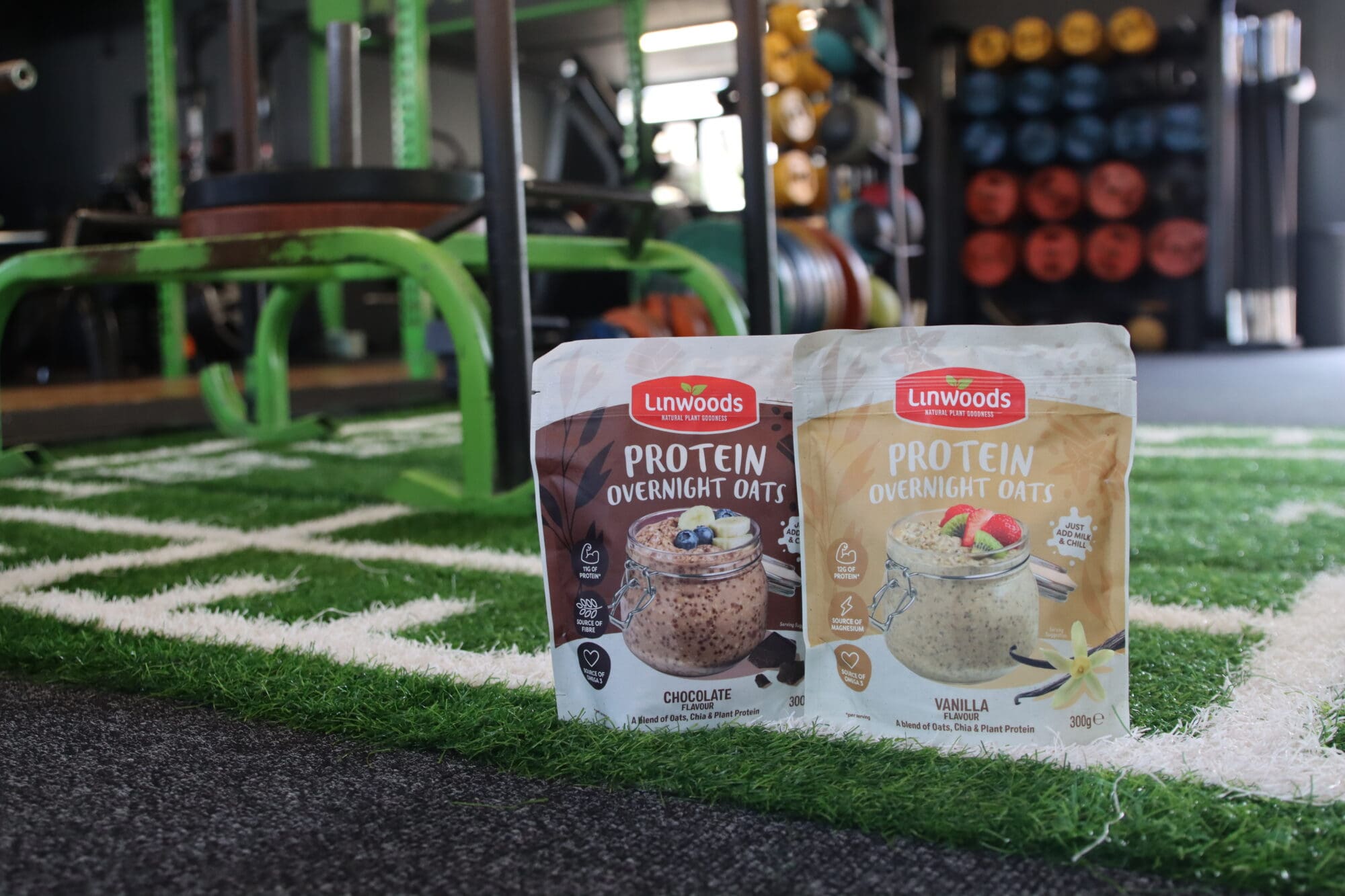
Simple options include yoghurt with fruit or a smoothie made with oats and a source of protein. For something more convenient, protein overnight oats can also work well here. Options such as Linwoods Overnight Oats provide a balance of carbohydrates and plant-based protein, with around 11g of protein in the Chocolate flavour and 12g in the Vanilla before adding milk. Made with chia seeds and soy protein, they offer a simple way to support recovery without overcomplicating your routine.
The exact choice doesn’t need to be complicated; it just needs to be consistent.
Choose breakfast based on your gym goal
If your focus is fat loss, both fasted and fed training can work. The bigger picture is your overall eating pattern across the day rather than exactly when breakfast happens.
For muscle gain, eating before your workout is recommended, providing fuel for the session. Pairing this with a balanced breakfast afterwards that contains both carbohydrates and protein helps support muscle recovery and progress.
If your goal is to feel energised and perform well, choosing easily digestible carbohydrates before more intense workouts is often the simplest and most effective approach.
Easiest breakfast to prepare pre-gym or workout
For many people the problem isn’t getting to the gym, it’s navigating a busy morning first. That’s why preparing your breakfast the night before can make all the difference.
Overnight oats are a convenient option that fit easily into even the busiest mornings. All they require is a splash of milk, a quick stir, and a little time in the fridge overnight. By the next morning, they’re ready to enjoy with no extra preparation needed.
You can keep things simple or add to them depending on your routine. Fresh fruit such as berries or banana works well, bringing natural sweetness and a source of energy to support your morning workout.
Choosing protein overnight oats (often referred to as ‘proats’) make this even easier, combining oats with ingredients such as chia seeds and plant-based protein. This helps create a balanced breakfast that supports both energy and satiety, without adding complexity to your routine.
It’s a straightforward approach that takes the effort out of early mornings.
For longer or more demanding sessions, planning a more substantial breakfast a few hours in advance can offer a better balance of energy and comfort. Overall, your daily intake of carbohydrates, protein and fats is more important than getting the timing exactly right.
5 FAQs – Tips for the best pre/post-Gym Breakfasts
Should you eat breakfast before or after the gym?
It depends on your workout. For shorter or low-intensity sessions, breakfast may not be necessary. For longer or more demanding workouts, eating beforehand can help support energy levels, focus, and overall performance.
What is the best time to eat breakfast before the gym?
The best time depends on what you’re eating. A light snack can be eaten 20–45 minutes before training, while a balanced meal is best consumed around 1–3 hours beforehand to allow time for digestion.
How long should you wait after breakfast before working out?
This depends on the size of your meal. A small snack may only require 20–45 minutes, while larger meals typically require 1–3 hours to avoid discomfort during exercise.
Is it bad to go to the gym without breakfast?
Not always. Fasted training can work for lighter or shorter sessions. However, for more intense workouts, skipping breakfast may reduce energy levels and impact performance.
What should you eat for breakfast before the gym?
Carbohydrates should be the main focus, as they provide energy for your workout. For early sessions, simple options such as fruit or smoothies work well. If you have more time, meals like oats with fruit or yoghurt can offer more sustained energy.
Sources:
https://www.nhs.uk/symptoms/bloating/ – NHS
https://www.uclh.nhs.uk/patients-and-visitors/patient-information-pages/exercise-and-activity-snacks – NHS
https://www.bhf.org.uk/informationsupport/heart-matters-magazine/nutrition/food-for-fitness – British Heart Foundation
https://www.bda.uk.com/resource/sport-exercise-nutrition.html – British Dietetic Association
https://www.heart.org/en/healthy-living/healthy-eating/eat-smart/nutrition-basics/food-as-fuel-before-during-and-after-workouts – American Heart Association
https://www.mayoclinic.org/healthy-lifestyle/fitness/in-depth/exercise/art-20045506 – Mayo Clinic
https://www.uclahealth.org/news/article/what-eat-before-and-after-workout-based-your-workout-type – UCLA
https://pubmed.ncbi.nlm.nih.gov/26891166/ – American College of Sports Medicine / Academy of Nutrition & Dietetics

 No products in the cart.