

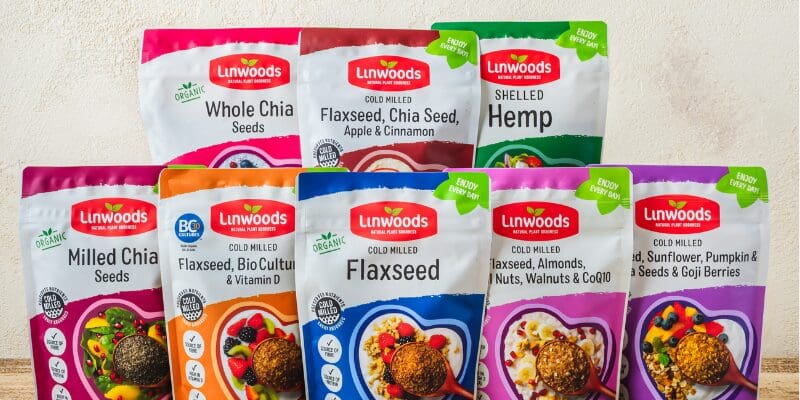
What makes the best flaxseed (or Linseed) is often dependent on how you plan to use it. Flaxseed, is available in a host of different forms including, milled (or ground) flaxseed, whole flax, brown, golden and oils. We explain the differences between them and help you decide which is best for your routine.
A little note before reading on, Flaxseed and Linseed are completely interchangeable terms, plus we use the term ‘milled’, others may say ‘ground’.
What makes one flaxseed better than another?
On the surface, flaxseed is a simple ingredient, but its different forms offer different benefits. When deciding how to best integrate flax into your diet, consider the following:
- Form: oil, whole or cold milled
- Texture: crunchy or smooth
- Usage: how easily it mixes into food
- Convenience: how often and how consistently you’ll use it
- Digestion: how comfortable it feels as part of your routine
We’ll look at the above factors and try to advise on the best flax for your diet. For our full overview of flaxseed and its benefits, learn more here.
Best Flaxseed for Everyday Use
For most people, milled flaxseed is the best choice. It’s easy to use, requires no-grinding at home, just sprinkle over foods or smoothies.
A benefit of cold milling is that it breaks the seed down to a smooth texture, allowing it to blend smoothly into foods such as porridge, yoghurt, smoothies and baking. Milled Flaxseed has a very mild nutty flavour and can be added to meals without changing taste or the texture dramatically.
Best way to use Flaxseed daily
For most people, a typical daily amount of flaxseed is around 20g, which is approximately 2 dessertspoonfuls. If you are new to flaxseed, it can be helpful to start with a smaller portion and gradually build up over time, allowing your body to adjust comfortably. Enjoying flaxseed alongside plenty of fluid also helps it fit smoothly into everyday routines.
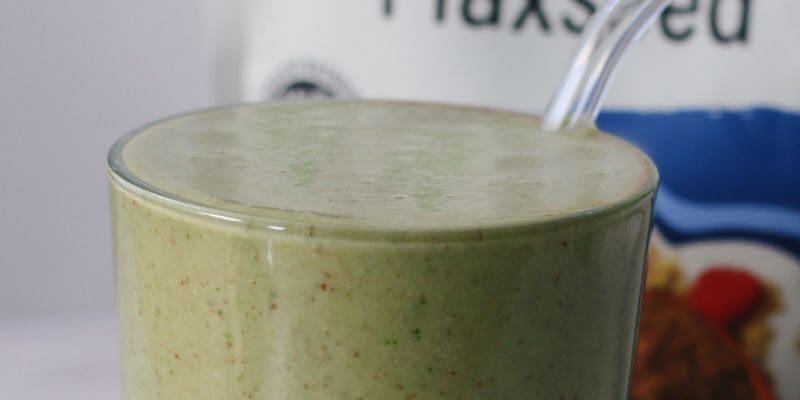
The easiest way to use flaxseed daily is to keep things simple. Rather than changing how you eat, many people add milled flaxseed to meals they already enjoy. It blends naturally into breakfasts such as porridge, overnight oats, yoghurt and smoothies, and can also be stirred into baking, soups or sprinkled over meals after cooking. With its mild flavour and fine texture, flaxseed adds nourishment without overpowering familiar foods.
Using flaxseed in this way makes it easier to benefit from its naturally occurring fibre, plant‑based omega‑3 fats, protein and minerals on a regular basis. Consistency matters more than complexity, and small additions each day can quickly become part of a normal eating pattern.
Best flaxseed for digestion
For people thinking about digestion as part of everyday eating, milled flaxseed is often the preferred choice, as its fine texture makes it easy to include regularly in meals such as porridge, yoghurt, smoothies or baking.
Some people choose flaxseed oil instead. While flax oil provides a source of omega‑3 fats, it does not contain the natural fibre found in the whole seed, and it also lacks protein and minerals such as magnesium. Flax oil is also missing lignans, naturally occurring plant compounds found in the fibre‑rich part of the seed that can act as antioxidants.
Choosing milled flaxseed rather than flax oil alone allows people to benefit from more of what the whole seed naturally provides, rather than relying on a single extracted component.
As with any higher‑fibre food, flaxseed is best introduced gradually and enjoyed with sufficient fluid, so it fits comfortably into everyday routines.
Best flaxseed for mixing into food
When it comes to mixing flaxseed into everyday meals, milled flaxseed is generally the best choice for maximum nutrition and ease of use. Milling breaks the seed into a fine texture, allowing its naturally occurring fibre, plant‑based omega‑3 fats, protein and minerals to be more readily available, while also making it easy to blend smoothly into food.
Milled flaxseed works especially well in breakfasts, such as porridge, overnight oats, yoghurt and smoothies. These familiar meals provide a simple way to add flaxseed’s natural nutrients without changing flavour, helping flaxseed fit naturally into daily routines. It can also be stirred into soups, sauces or sprinkled over salads after cooking, adding depth and nourishment to everyday dishes.
Whole flaxseed, while less commonly used for mixing, can still play a useful role in food. Its crunchy texture makes it well suited to soups, salads and baking, where a bit of bite is desired rather than a smooth finish. Some people enjoy whole flaxseed in these situations for texture, while relying on milled flaxseed for regular everyday use.
Choosing the right form for each type of meal makes flaxseed easier to enjoy consistently, whether blended in for nutrition or sprinkled on for added texture and variety.
Whole vs milled flaxseed: Which is best?
Flaxseed can be enjoyed in different forms, and each suits a different purpose depending on how it is used in food.
Milled flaxseed
- Soft, fine texture
- Blends easily into everyday meals such as porridge, yoghurt and smoothies
- Convenient and easier for the body to digest for regular, daily use
Whole flaxseed
- Crunchy texture
- Commonly used in bread, crackers and baking for added bite
- May pass through the body largely intact if eaten whole
Flaxseed oil
- Liquid oil extracted from the seed
- Provides omega‑3 fats but does not contain fibre and negligible amounts of protein
- Does not supply minerals such as magnesium
- Does not contain lignans, which are found in the fibre‑rich part of the seed
For most people looking to include flaxseed as part of their daily routine, milled flaxseed is the most practical option, as it retains the natural components of the whole seed while being easy to use in everyday meals. Whole flaxseed is often chosen for specific recipes, while flaxseed oil is typically used when only omega‑3 fats are desired rather than the wider benefits of the whole seed. Learn more about whole vs milled flaxseed
The final word on the best flaxseed
Choosing the best flaxseed does not need to be complicated. For most people, cold‑milled flaxseed offers the easiest and most versatile way to enjoy flaxseed regularly, while whole flaxseed can add texture to certain meals and flaxseed oil may suit more specific needs.
By focusing on how you eat day to day and choosing a form that fits naturally into your routine, flaxseed can become a simple, enjoyable part of everyday meals rather than occasional use. Keeping portions sensible, introducing it gradually and using it in familiar foods helps make consistency easier to achieve.
The best flaxseed is ultimately the one you enjoy using regularly, as part of a balanced and varied way of eating.
If you’re looking for inspiration, you’ll find hundreds of simple flaxseed food ideas for breakfasts, baking, snacks and savoury dishes in our flaxseed recipes. For easy to follow video recipes visit our youtube


 No products in the cart.