Referred to as a super fibre, psyllium husk is becoming a regular feature in conversations around gut health, heart health, and balanced nutrition. But what exactly makes it so beneficial, and who can gain the most from adding it to their routine?
Here’s a closer look at the key benefits of psyllium husk and how it works in the body.
What is psyllium husk?
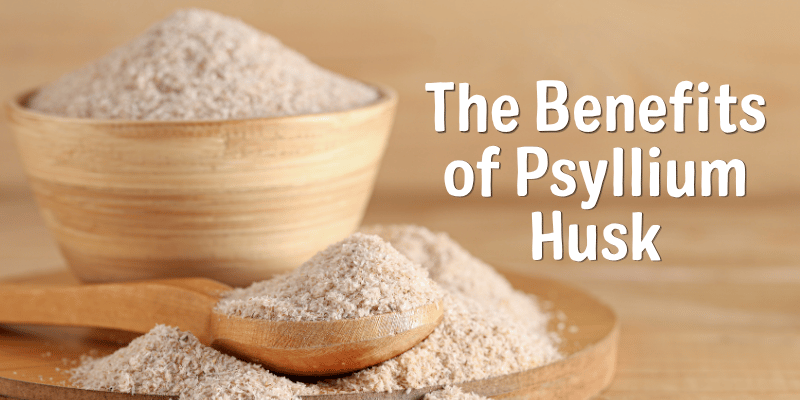
Psyllium husk is a natural source of soluble fibre derived from the seeds of the Plantago ovata plant. When mixed with liquid, it forms a soft, gel-like consistency that may help support digestion and help regulate how food moves through the gut. Available as whole husk or psyllium husk powder, its functional properties make it one of the most effective fibres for daily digestive support.
For a deep dive into this ingredient, you can learn more in our Complete Guide to Psyllium Husk.
What are the benefits of psyllium husk?
Supporting regular digestion
The primary benefit of psyllium husk is its ability to help support normal, regular digestion.
Its soluble fibre absorbs water as it passes through the digestive system, forming a gentle gel that helps keep things moving consistently. This makes psyllium particularly useful for supporting overall gut balance and maintaining normal bowel function.
Does psyllium help ease constipation?
Yes, psyllium husk can be beneficial for supporting the relief of constipation.
Thanks to its high soluble fibre content (3.7g in 5g of powder), it can help soften stools and makes them easier to pass. As it absorbs water in the gut, it increases stool bulk and promotes smoother transit through the digestive tract.
Because of this, psyllium husk is commonly used as a natural, fibre-based approach to supporting relief from constipation and encouraging regularity.
Cholesterol support and heart health with Psyllium Husk
Another one of benefits of psyllium husk is its role in supporting healthy cholesterol levels as part of a balanced diet.
With around 70% soluble fibre, psyllium can help reduce LDL “bad” cholesterol by binding to bile acids in the digestive system and supporting their removal from the body. This process encourages the body to use excess cholesterol from the bloodstream, contributing to healthier levels over time.
Psyllium has also been included in plant-based dietary approaches such as the Portfolio Diet, which is recognised for supporting heart health. As part of a balanced diet, it offers a simple and gentle way to maintain normal cholesterol levels.
Psyllium’s role in maintaining steady blood sugar levels
The gel-forming nature of psyllium husk also plays a role in blood sugar support.
By slowing the digestion and absorption of carbohydrates, it helps create a more gradual release of glucose into the bloodstream. This can help support a steadier glycaemic response after meals and help maintain more balanced energy levels throughout the day avoiding energy spikes and troughs.
Psyllium Husk in Weight Management
For those looking to support healthy weight management, psyllium husk can be a useful addition to you dieting toolkit.
When mixed with liquid, psyllium expands to form a soft gel that promotes a natural feeling of fullness. This can help with satiety, making it easier to manage portion sizes and reduce unnecessary snacking.
While it’s not a quick fix, incorporating psyllium husk powder into a balanced eating routine may help support more consistent eating habits over time.
Gut health and the microbiome
Psyllium husk may also benefit the gut microbiome.
Psyllium can have some mild prebiotic effects, helping to support the growth of beneficial gut bacteria. Over time, this can contribute to a more balanced gut environment, supporting digestive comfort and long-term gut health.
A well-supported microbiome is linked to many aspects of health, making fibre intake — including sources like psyllium — an important part of a balanced diet.
Is it easy to add psyllium to your diet?
With its range of benefits, psyllium husk is a versatile fibre that can easily fit into everyday life. Whether added to smoothies, porridge, or baked goods, it offers a convenient way to increase fibre intake and support digestive wellbeing.
As with any fibre, it’s important to introduce psyllium gradually and drink plenty of fluids to help it work effectively.
What is the difference between psyllium husk powder, flakes and capsules?
Psyllium husk is available in different forms, each suited to slightly different uses. Finely milled psyllium husk powder blends easily into drinks, smoothies or baking, making it a popular everyday option.
Whole husk (or flakes) has a coarser texture, which some people prefer when stirring into cereals or yoghurt. Capsules offer convenience, however they lack in the nutrients provided by mixing it with meals or smoothies for example.
Ultimately, the best choice comes down to personal preference and how you plan to include psyllium in your daily routine.
Support your daily health
From helping to support digestion and regularity to contributing to heart health and more balanced blood sugar levels, psyllium husk is a simple yet powerful addition to a healthy lifestyle.
Whether you choose whole husk or psyllium husk powder, incorporating it into your diet is an easy step towards better gut health and overall wellbeing. Learn more on when, why and how to use psyllium husk here, for more benefits of psyllium husk and an ingredient deep dive, visit our complete guide to psyllium husk.



 No products in the cart.